


I wouldn’t call my story unique… Like many other believers, I have been a Christian since childhood. My mom came to faith in Christ when I was two years old. She then began regularly attending church and participating in ministry. I have always been by her side, and I grew up in this environment.
During my teenage years and early adulthood, I had to move from my parents’ faith to a faith of my own. I experienced this moment when I had to make my own decision, and I made it. From that moment on, my life changed. I was about 17-18 years old at that time.
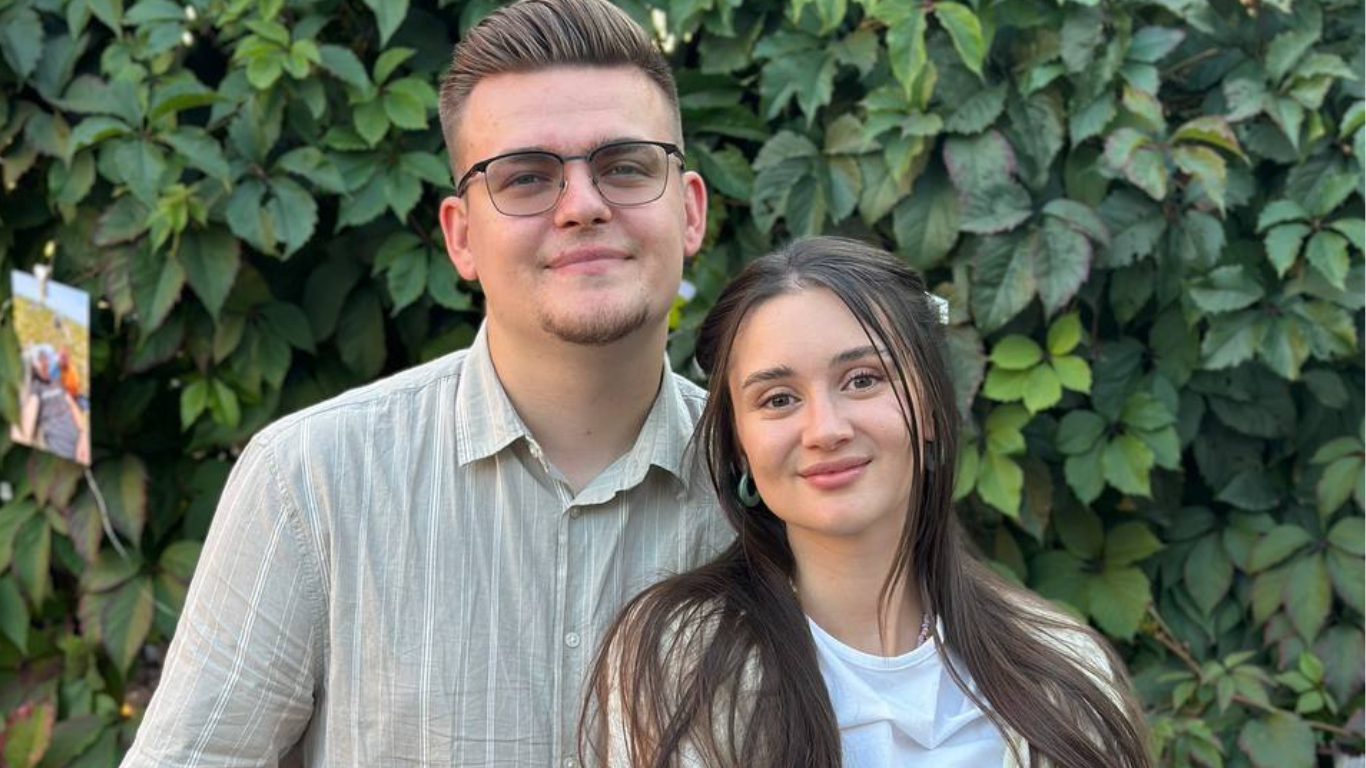
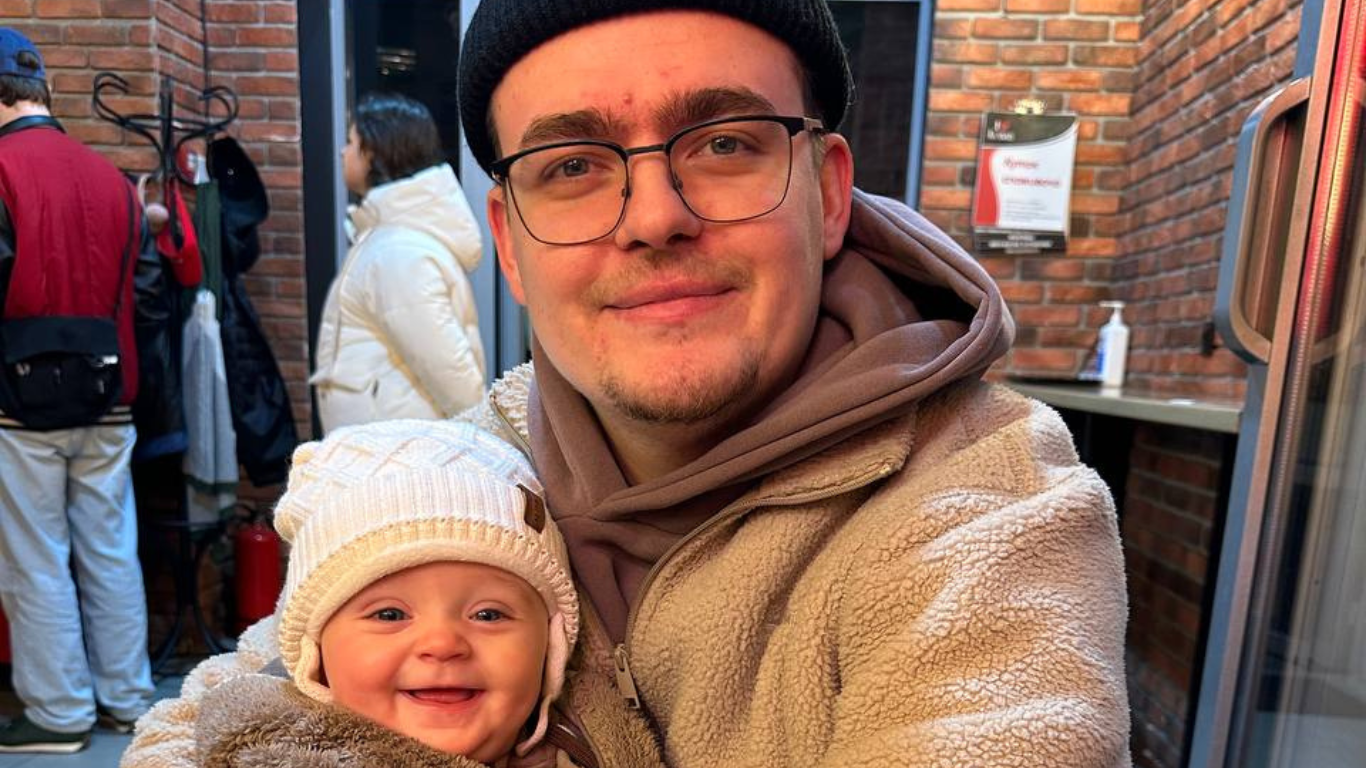
Please, tell us more about yourself: where you were born, where you live now, the church you serve in, and the main areas of ministry of your congregation.
I was born in Dnipro and attended church there till I was 18 years old. Then, I moved to Poltava, where I got married. At the age of 18, my wife and I became actively involved in the church community and even began full-time ministry. Now, at 27, it’s already been nine years since my life became deeply intertwined with the church, ministry, and many processes related to it.
The church I am a part of in Poltava is called “Light of Life.” At the time I joined this church, we put a strong emphasis on evangelism. It was a wonderful season, but at the same time, we understood that new people who come to our church need a healthy community, which they can relate to, and where they can find acceptance and support. That’s why, gradually, we began to put more emphasis on internal church ministry. We began working with young people, and later (about five years ago), we were appointed as youth pastors.

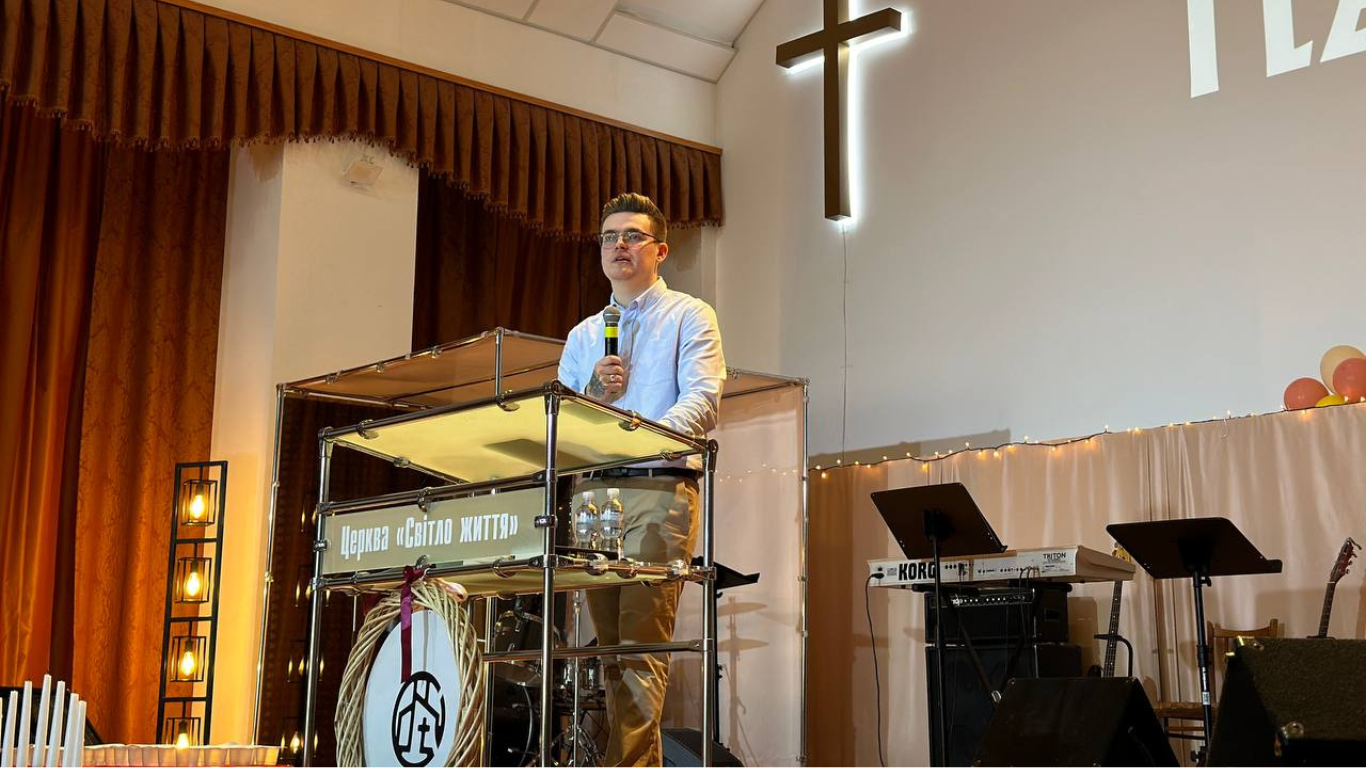
In addition to social assistance, we seek to share the Gospel and minister to different groups of people. We hold:
- Sunday services,
- gatherings for seniors,
- youth services,
- children’s programs,
- and much more
You mentioned that you serve as a youth pastor. Why did you choose this particular area of ministry? Is there a story behind how you began your ministry? What led you to step into this role?
It happened unexpectedly, and it was very much a process. As a child and teenager, I never thought I would be involved in youth ministry, because from the age of 11, I was deeply involved in the worship ministry.
But the Lord turned my life in a completely different direction. I began to have a growing desire to serve young people. Others also affirmed this calling, and over time, I became convinced that this was where God was leading me.
Eventually, I realized: yes, that was what I was meant to do — pastoral ministry.
"And I am deeply grateful that the Lord helped me, amid the many voices of this world, to discern what He desires from me."
Do you have a big ministry? How many young people are involved? Do you put more emphasis on believers or non-believers?
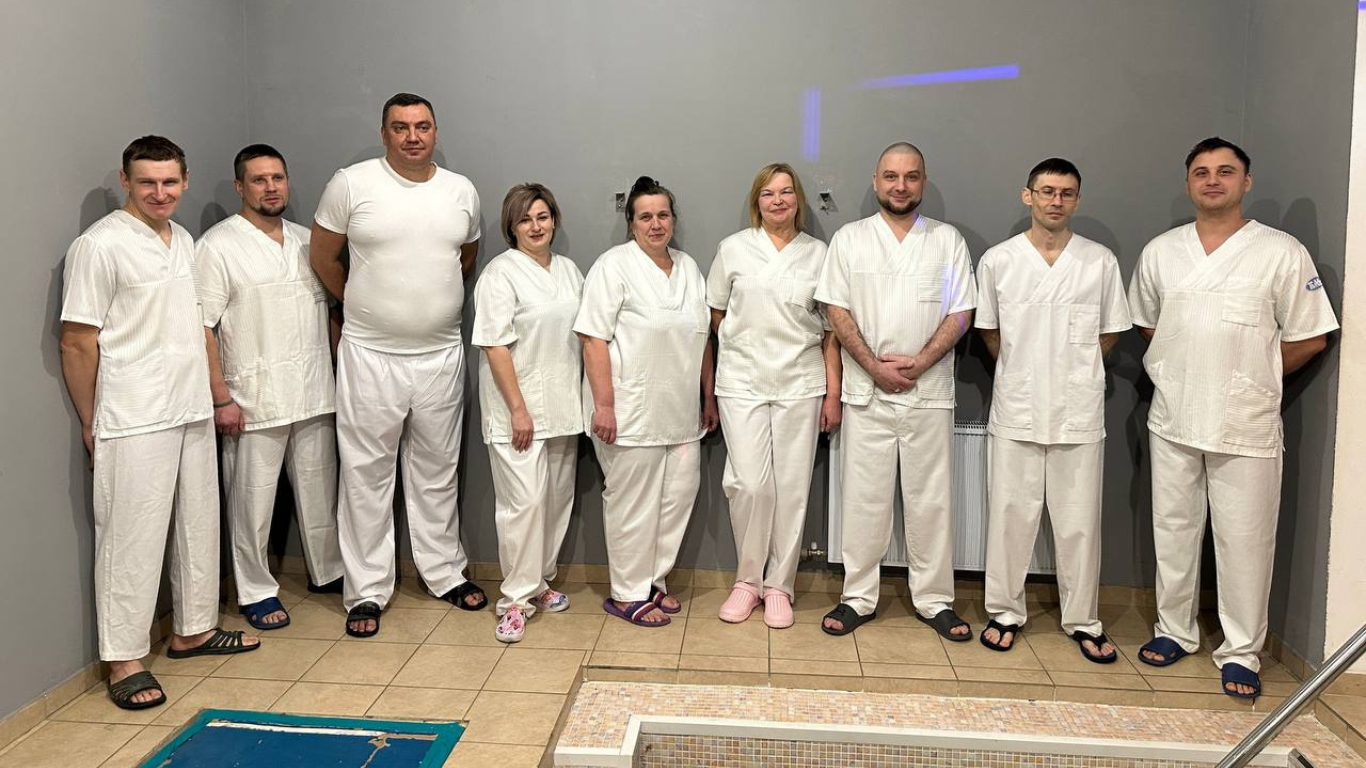
Our church services are attended by 150-200 people. The youth group consists of around 20-25 young people, depending on the season.
We are currently in a season where we are focused on internal work, building a strong foundation for broader outreach to non-believers in the future.

What challenges do you have in organizing your ministry?
The key challenge is uncertainty. Young people are searching for themselves, better opportunities, better life. In the midst of economic instability, war, and political tension, stress piles up. Young people often live in a “delayed life” mode: physically living in the present, but their thoughts are in the better future. As a result, it becomes difficult for them to stay grounded and realize that God calls them to act here and now, even when circumstances are not perfect.
I often tell young people: we will not have a second chance at living our youth years. Our life is unfolding now – in the current realities. Every generation has its own challenges — our parents had theirs, and we have ours. We must learn to find the beauty of life even amidst chaos and instability, trusting that the Lord will lead us through.
Another challenge — many people leave in a survival mode. People are trying to minimize risks around them and create a kind of “protective cocoon” around them — it becomes difficult for them to let anything new into their lives. Building new relationships with non-believers becomes challenging.
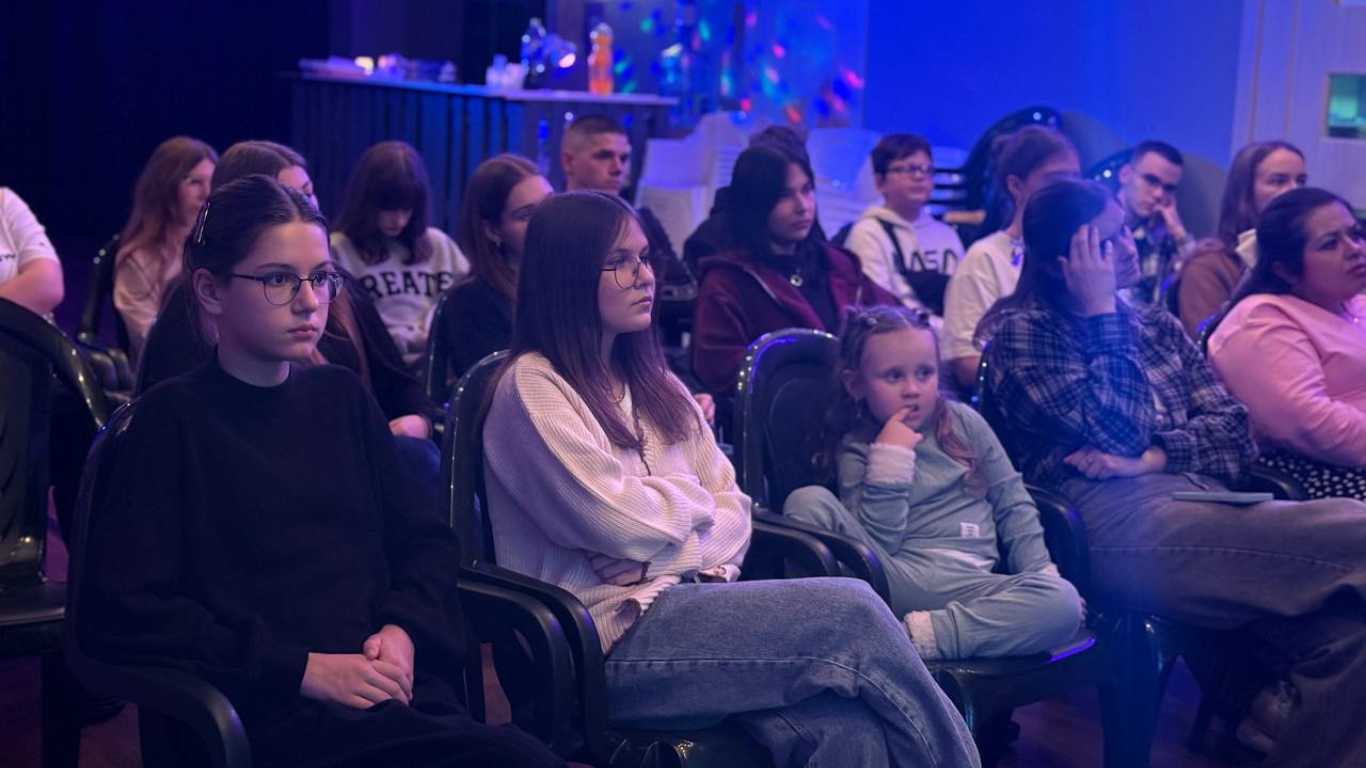
"We encourage young people and teenagers to see the schools, universities, and workplace as their missionary field."
Despite this, we encourage young people and teenagers to see the schools, universities, and workplace as their missionary field. Through personal relationships, they are able to share the Gospel.
Among other challenges are financial limitations and a lack of people to continue carrying out certain initiatives, to have a greater impact, and to stand more confidently while trying to engage in dialogue with the outside world.
You began your ministry at a young age. You have experienced both the period before the full-scale invasion and the time of the war. Are there things you have reevaluated during this time?
The world has changed so drastically over these years that things may never be the way they once were – and that is OK. At some points, we can feel like we are living in more extreme times. And that is the reason why some things are difficult to carry out. Yet I understand that it is a privilege that God has chosen us to live in this challenging time.
I believe that the most important thing today is simply to stay – to be here and continue the ministry. If you start thinking too much about personal fulfillment or measurable results, many temptations arise:
- to leave the ministry
- to go where “the grass is greener,”
- to relocate ourselves or our families to places where certain things are easier to accomplish
"I believe that the most important thing today is simply to stay – to be here and continue the ministry."
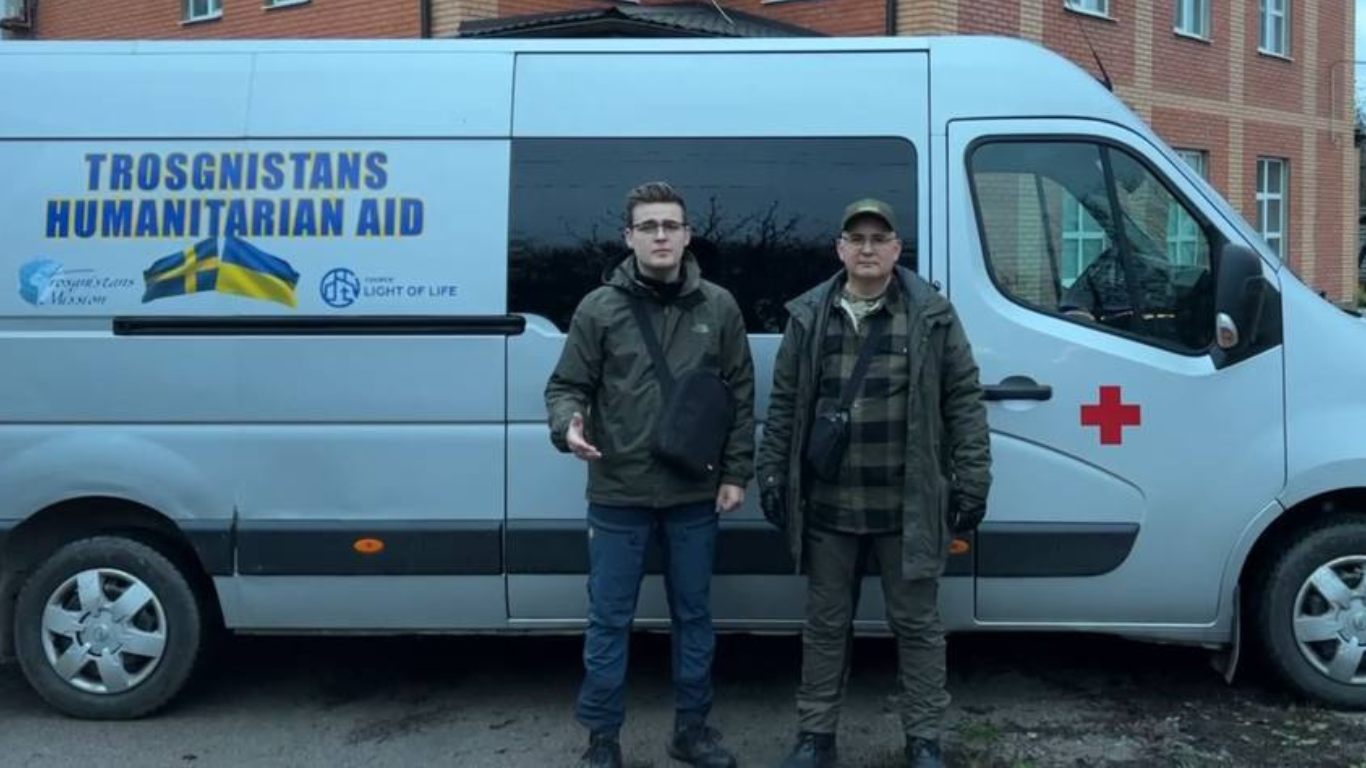
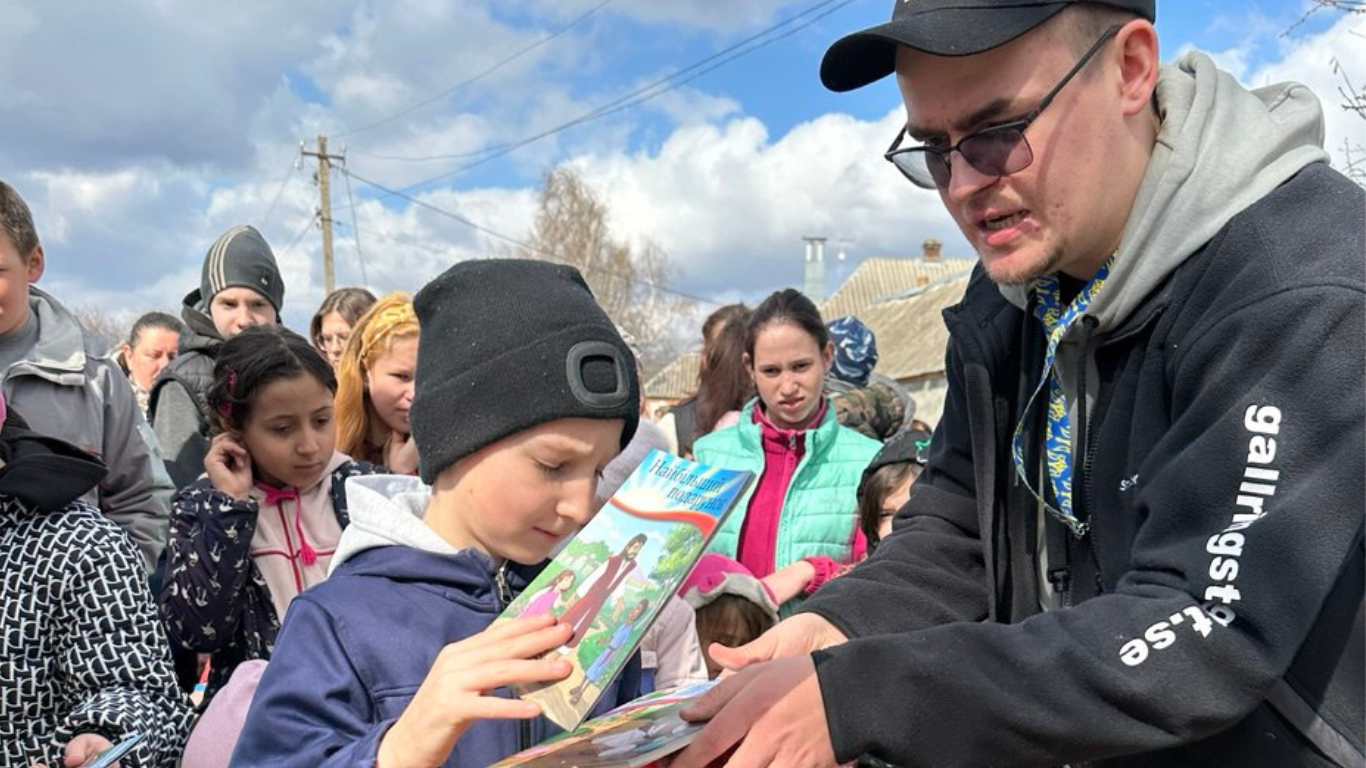
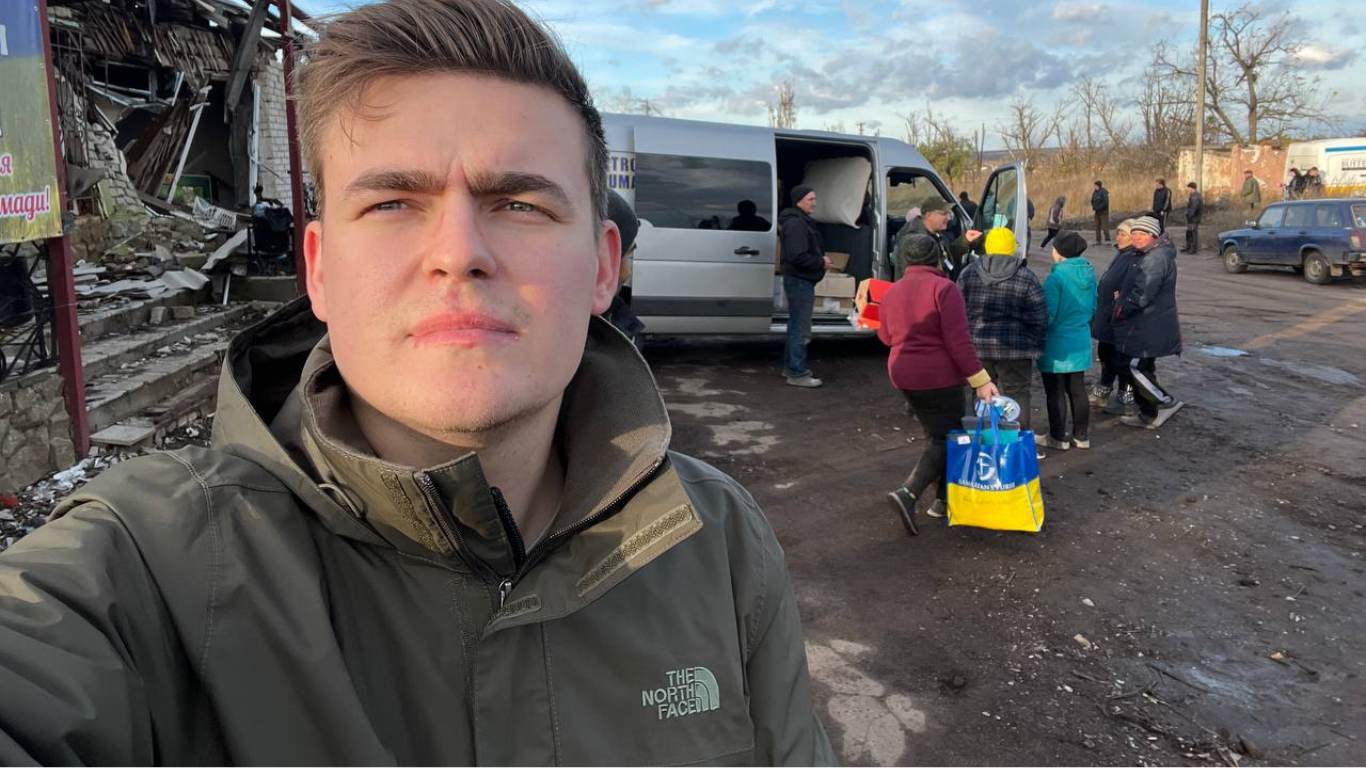
But I believe that our calling — for those who are here in Ukraine now — is to be the light in the darkness, to be the voices, to be leaders in these difficult times.
We have lived through the season of COVID, lockdowns, and times of war (which we can also divide into periods). We have faced all of this.
And we have developed a completely different view of ministry, leaders, and those whom we used to follow. We’ve come to see what real strength is all about: it is not in super results or loud words. True strength is found in faithfulness, in consistency, in being systematic. That is why there is a desire to be authentic, faithful, and just be present where you are needed – where God has placed you.
What changes do you hope to achieve through your ministry? What impact would you like to see?
As I look in the direction where we are moving, I understand that God is calling us into pastoral ministry. At some point, this may mean taking responsibility for the church of which we are a part of. And when I devote my time and efforts to youth and teen ministry, I do this with the future of the church in mind.
What do I want to accomplish with our ministry?
- to help teens and young people to be formed,
- to grow spiritually,
- to become those who can pass their faith on to others,
- who can teach and disciple others,
- who can strengthen the church,
- to be alongside them during the time of their growth
- to create an environment in which they can experience God’s presence and have their hearts touched by Him
- To be by their side: a friend, an older brother, a mentor.
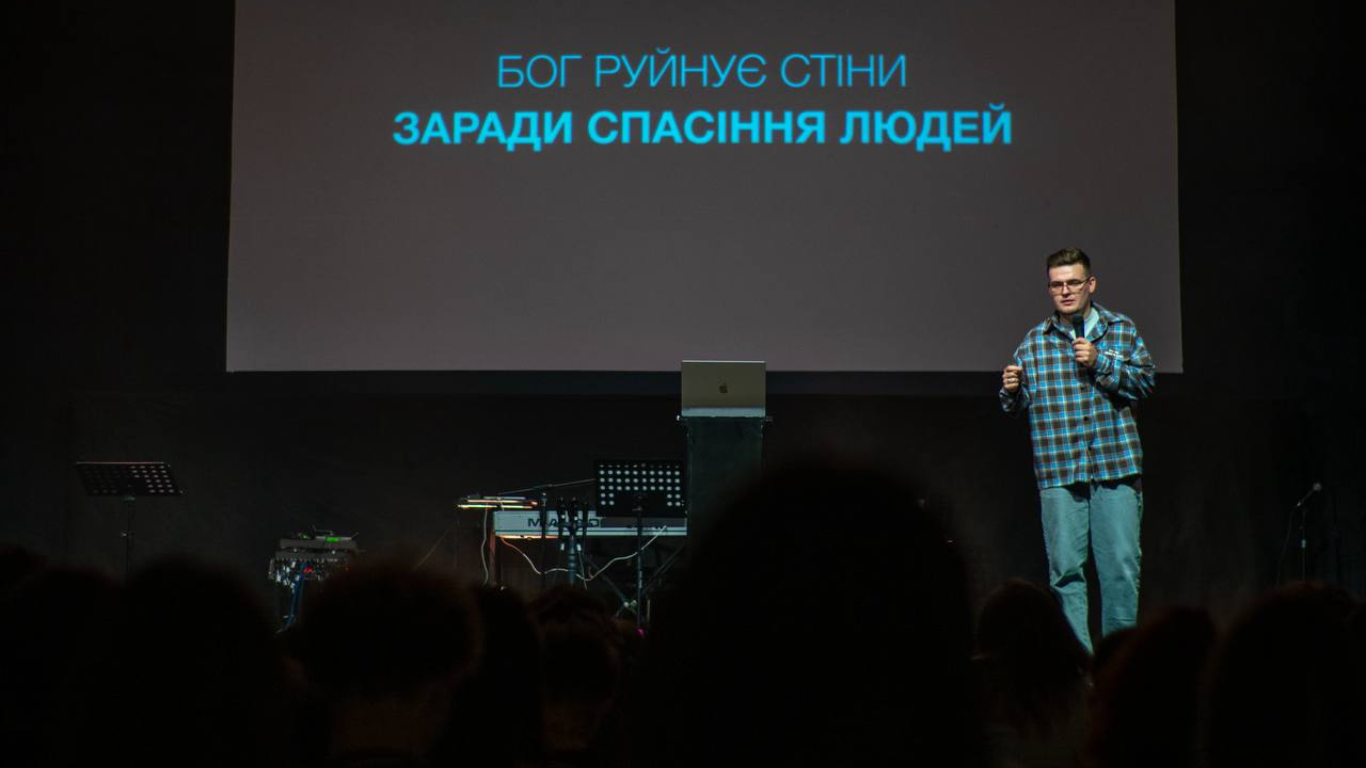
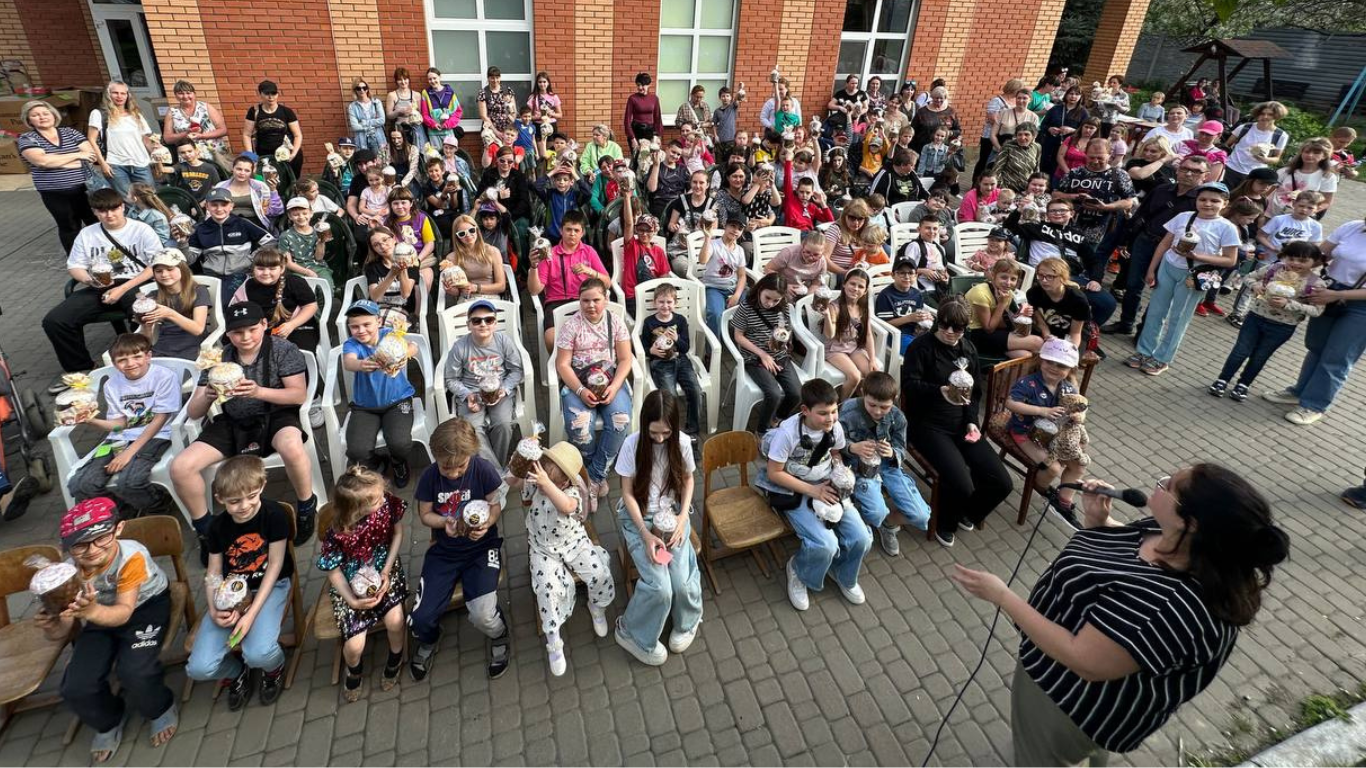
I also want to create a structure that will work even when I am no longer responsible for this ministry — a structure in which children can grow, move forward, and naturally become part of the ministry.
At the same time, it is important for me that the youth ministry — and together with it the whole church — was open and understandable to non-believers, non-Christian people who are still searching.
I emphasise youth and teens ministry because tomorrow, when people come to church, they will see them serving in various roles. So I want them to be spiritually mature, love God, and have the desire to change this world and serve people.
I understand that you have a pretty busy life. How did you find time to study, and why did you decide to study at UETS? How did you choose this particular program?
How did I find the time, and why did I decide to study at this particular seminary? I see it this way: if you want to serve, if you want to help people, you need to know how to do it. You need to be competent.
People who devote themselves to ministry, who take on some responsibilities and make decisions, have to be competent.
"This is my time of preparation and growth."
I have known the seminary through social media, and many people recommended it to me. The way the seminary communicates through social media and encourages prospective students to enroll in its programs got me interested.
I’ve been pursuing theological education since I was 18 years old, but UETS has truly impressed me with its level, its faculty, how the program is structured, how well thought-out and high-quality it is, what courses are offered, its teaching methodology, and the academic demands placed on students. I think it’s a wonderful academic institution and I am grateful to be part of the UETS community.
How has studying at the seminary impacted you personally and your ministry? Can you give a few examples? What valuable things have you gained beyond theoretical knowledge?
Studying at the seminary has shown me my own limitations as a person and as a minister. You can know something, but there is always room to grow, and this is important. It has also taught me to be more disciplined and to approach study, preparation, preaching, worldview formation, and self-education in a more systematic way.
The seminary teaches you how to learn, how to work with information, and how to find what you need. These are tools that a theologian, pastor, or preacher will refer to throughout their life and ministry.
I also see the impact on my ministry — in my sermon preparation, in my thoughts and how I express them, in the emphasis I place on certain points.
"Professors have influenced my worldview, my attitude toward God, and the Bible. They have shown me the responsibility that rests on those who teach or preach."
Through the seminary, I have established many valuable contacts and have been involved in various projects and collaborative work between churches or church associations.
What is also important is that the time you spend at the seminary, fully immersed in the learning process, allows you to regain the right spiritual focus. It is really valuable.
How has your approach to leadership and team building changed through seminary studies? Have your relationships with your team changed, and have you noticed changes in yourself as a leader?
I think I have learned to listen more and to analyze what is happening around me. Seminary teaches you to relate learning to reality and to the context in which you live.
Of course, I now better understand the importance of a team, and I seek more resources and tools to build it well. I have realized that to be a good leader, and for a team to be strong, one must continually learn, grow, and adapt. I think this is the calling of the church in general — to be constantly evolving. There is no unique, perfect model that will work forever. The DNA of the church is constant adaptation — to be understandable and open while retaining its identity.
Relationships with my team have also improved. People trust more when they see that you are committed to growth, that you are spiritually developing, and that you lead by example. Then people listen more willingly and trust more, because they see that you have competence, knowledge, and experience in these areas.

From Occupation to Leading a Youth Revival Team
At 14, I began serving youth every Saturday—organizing meetings and community gatherings. God spoke...
Details
“Beatitudes and Terror”: A New Book on Spirituality in the Time of War
“Beatitudes and Terror” offers a timely and necessary theological reflection for anyone seeking to...
Details
Children’s and Youth Ministry at Wartime – Yuliia’s Story
Yuliia Potapenko is an administrator and part of the worship team at the Source of Love Church in...
Details