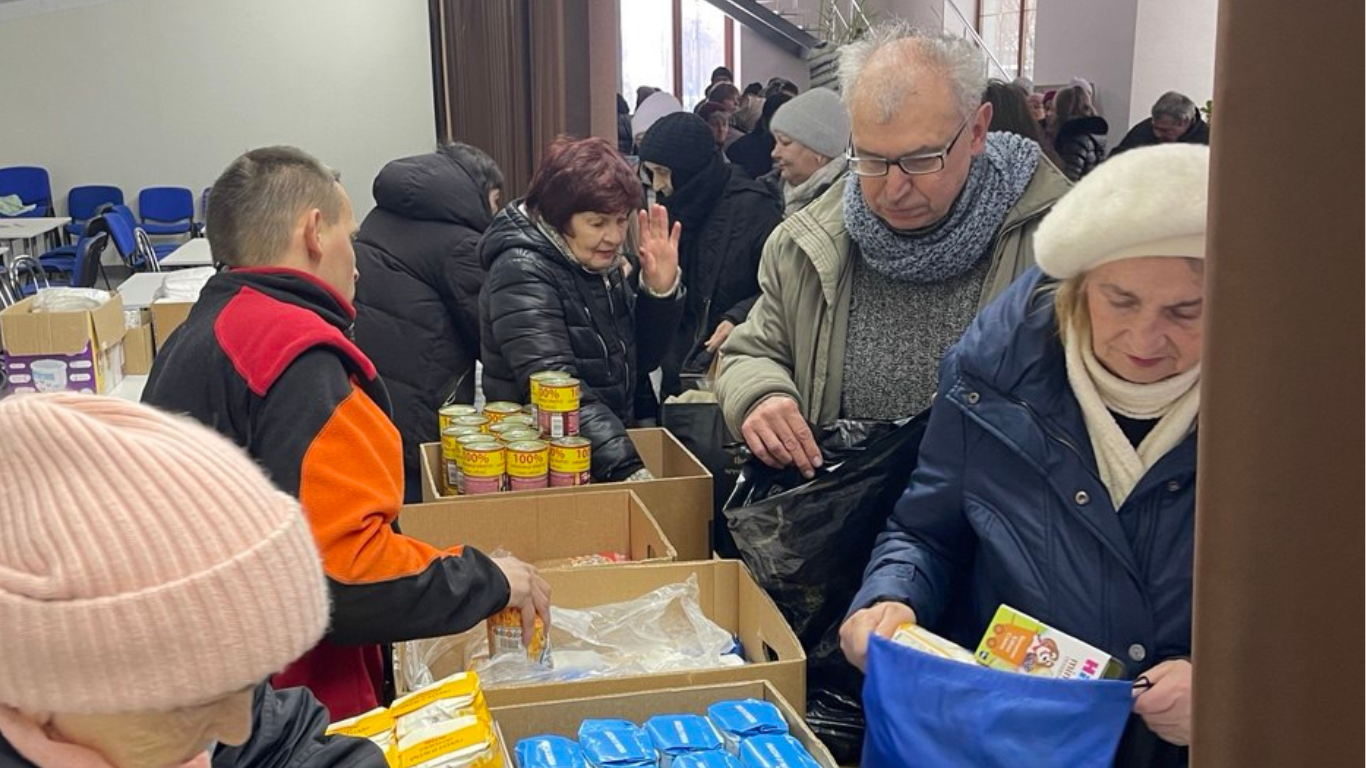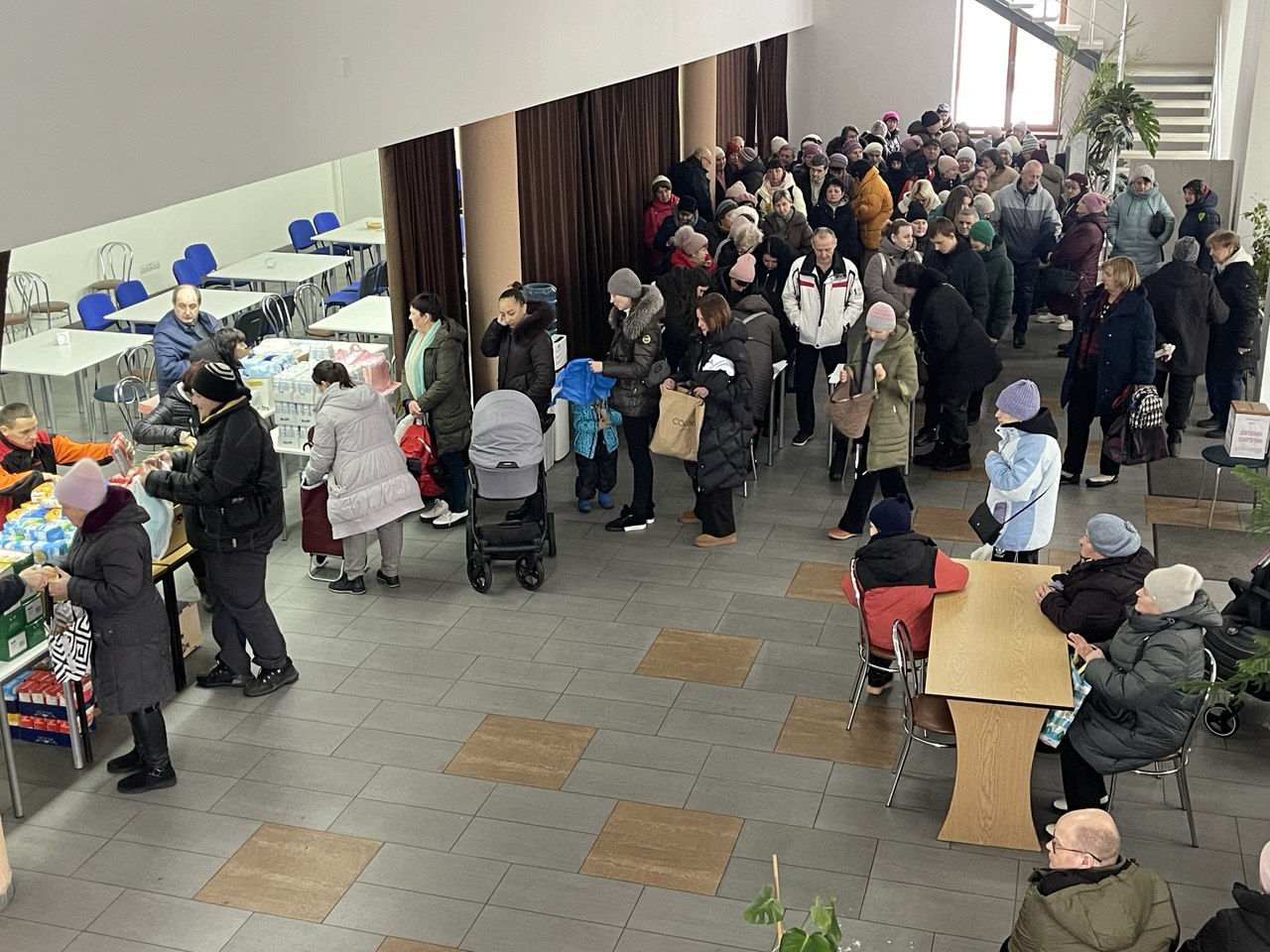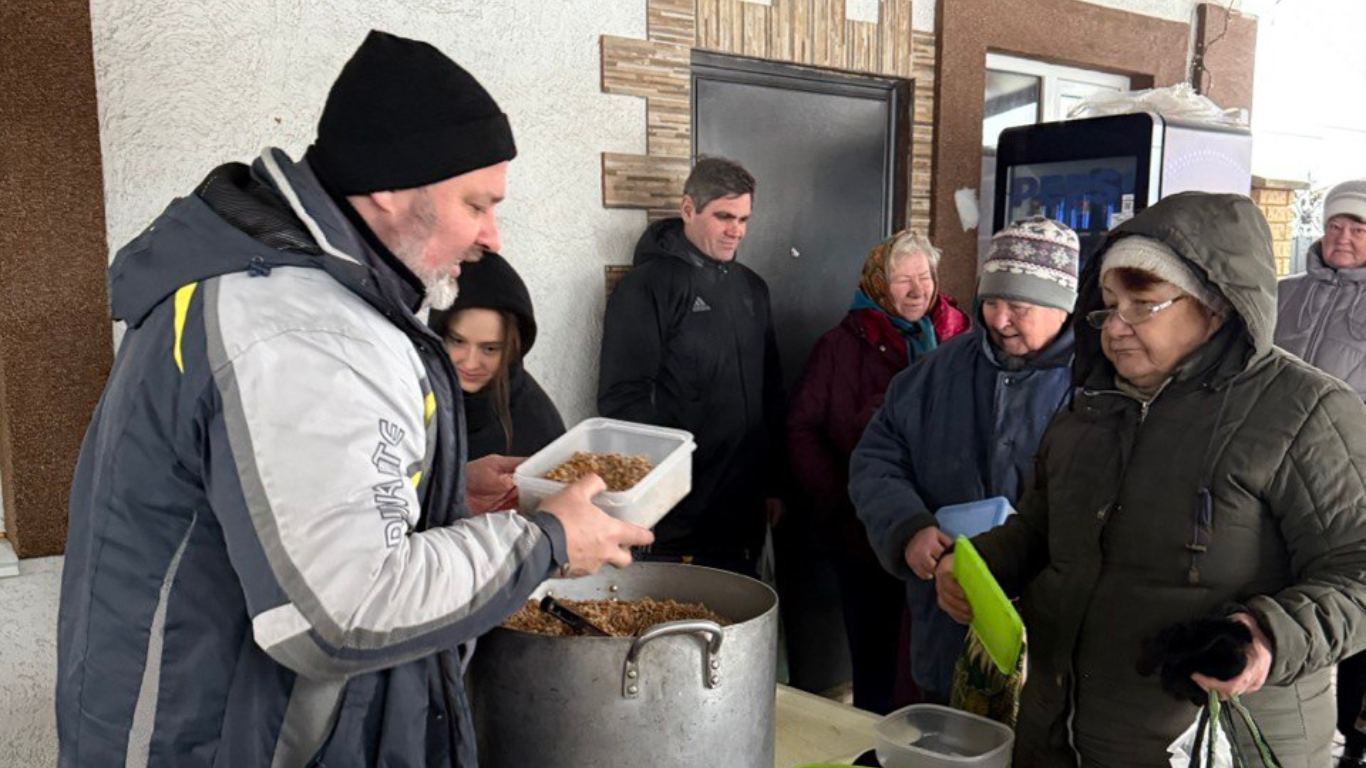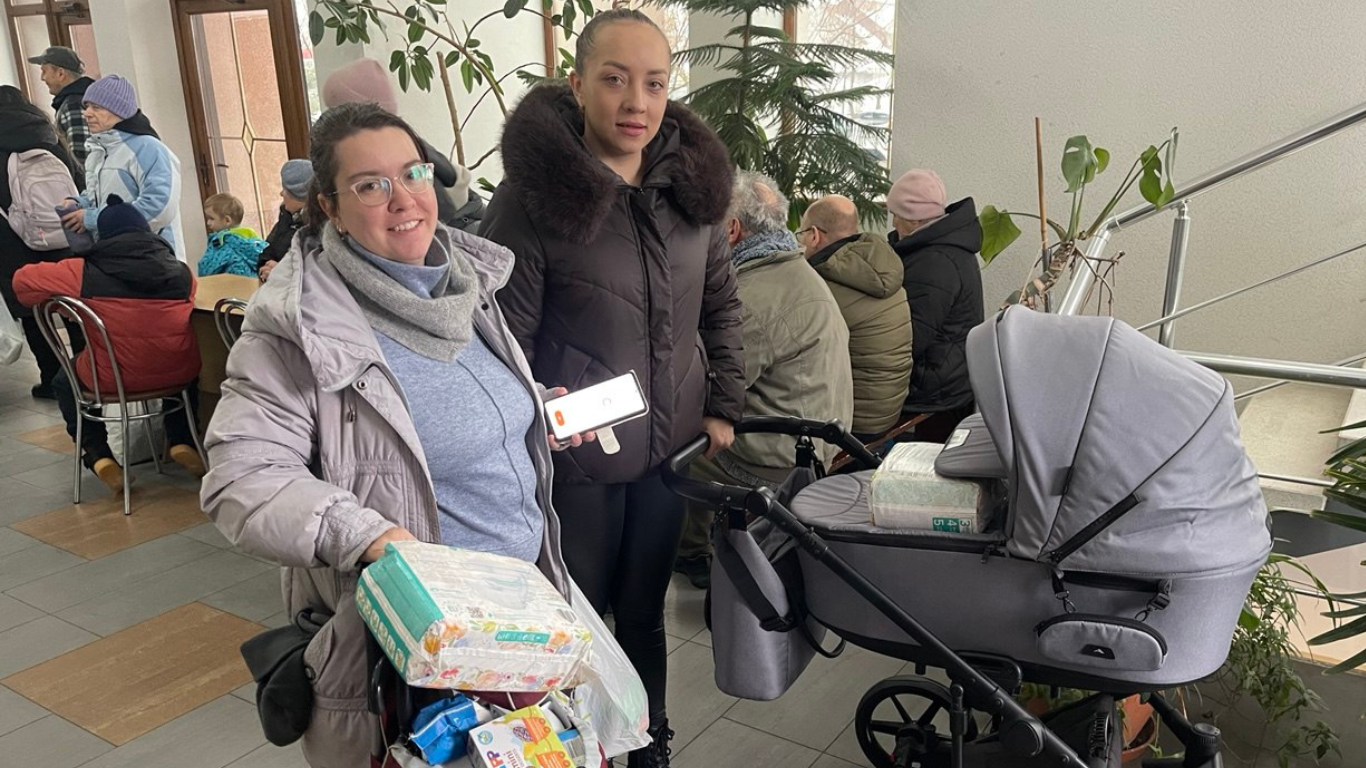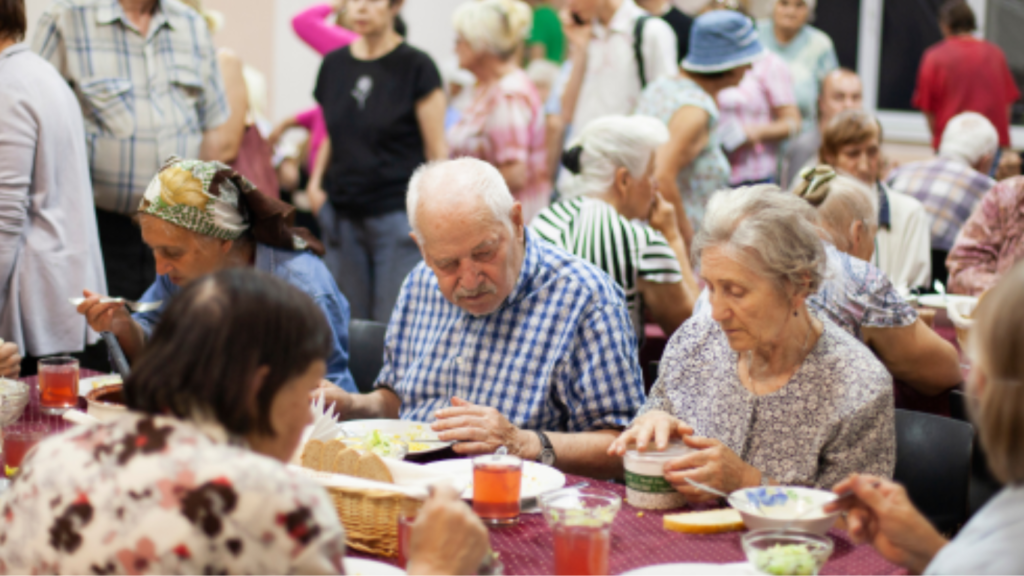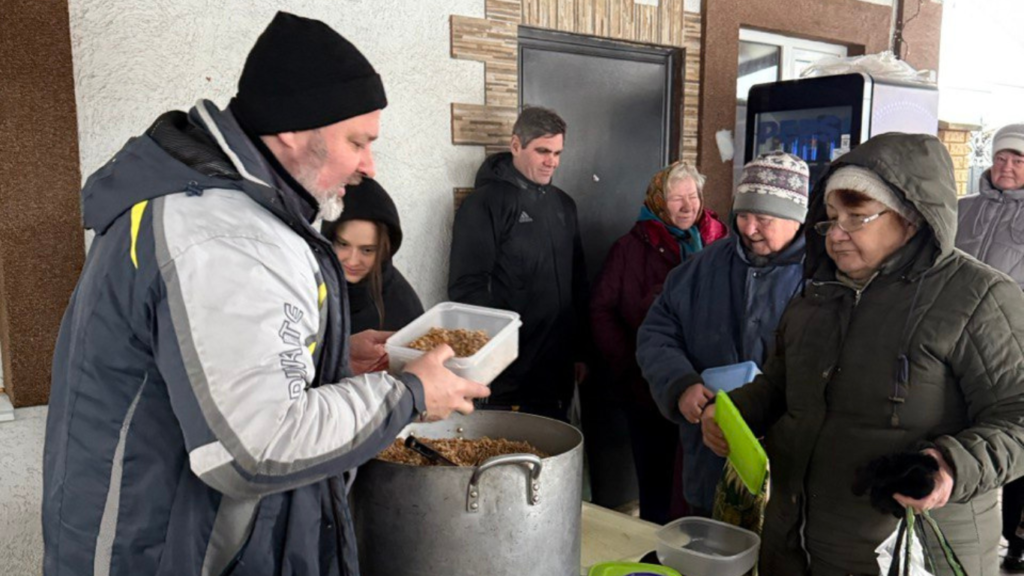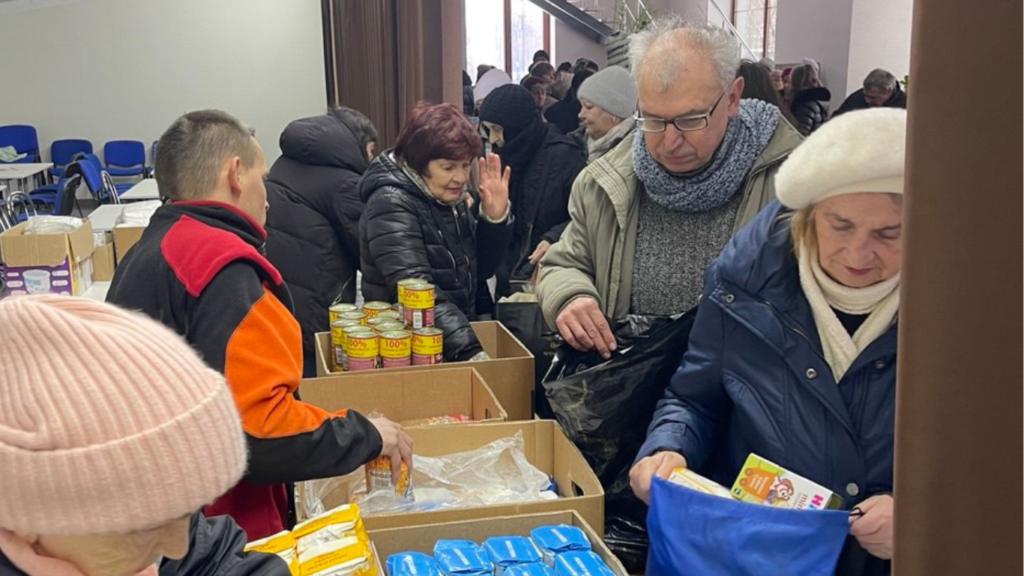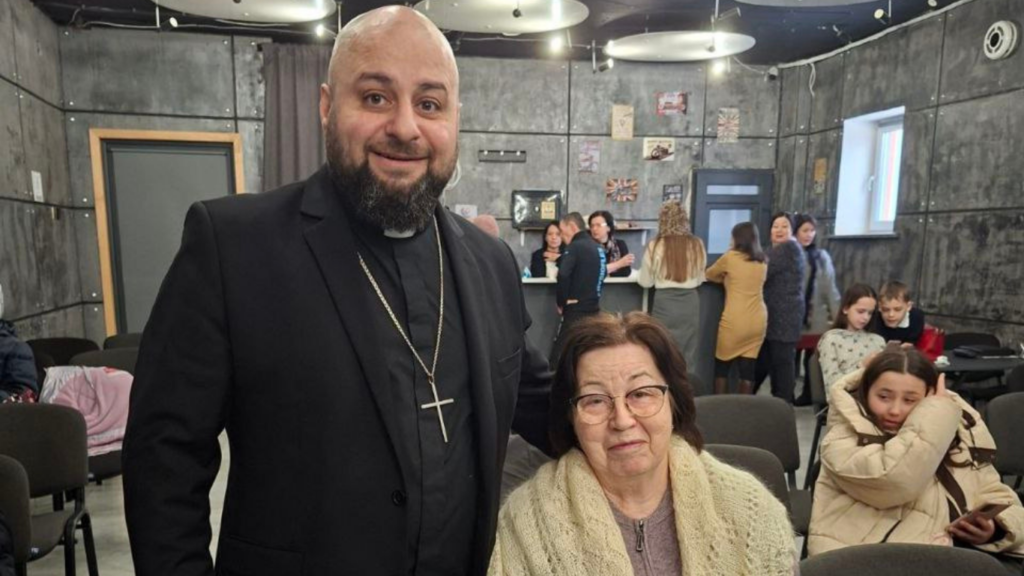

During the first years of the full-scale war, one of the main directions of our relief ministry was providing meals for those in need. In that period, we served several thousand hot meals each month — both on our campus and in the surrounding neighborhood. For many people, this was the only opportunity to receive a hot meal during the day.
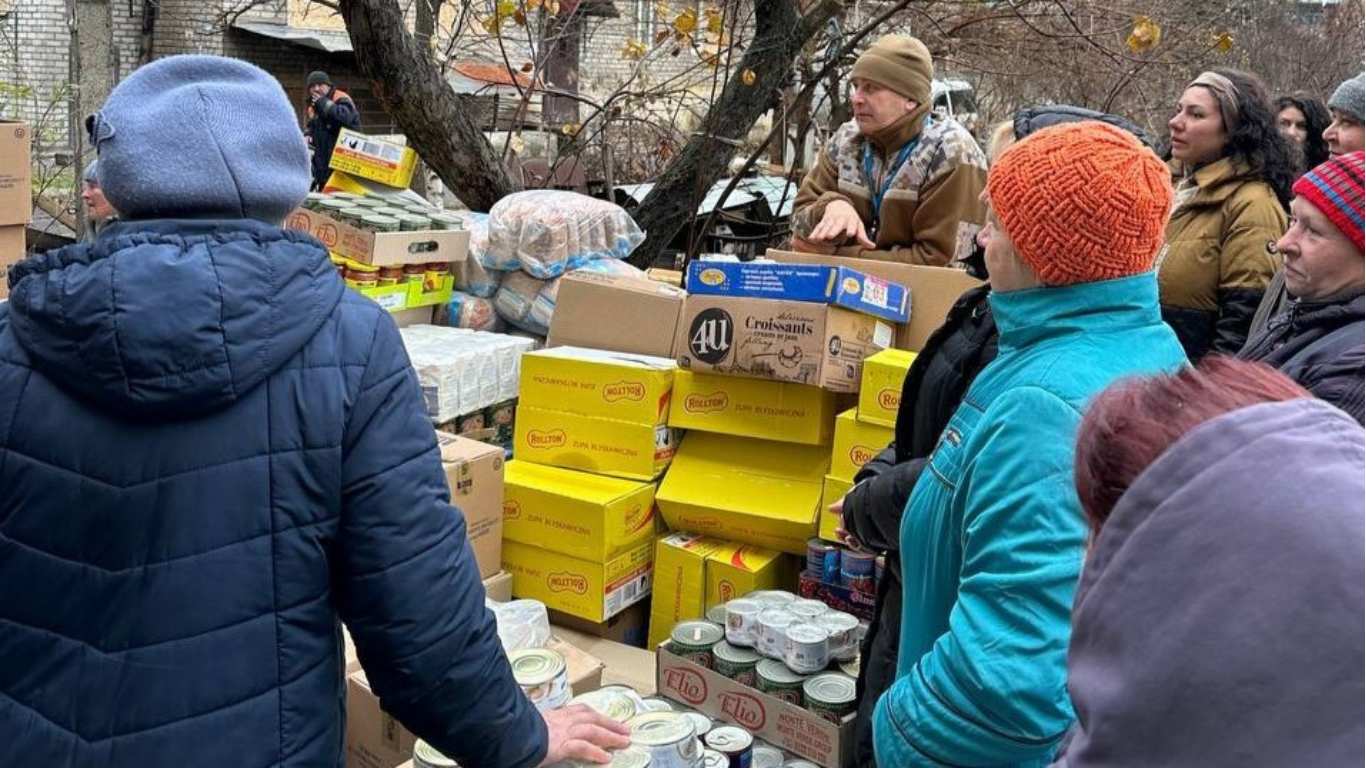
Today, we continue to support people in need who, given the wartime economic situation in Ukraine, are in urgent need of assistance. We do this by delivering food packages and serving hot meals in local communities, as well as by supporting partner churches where our students and graduates serve in similar ways.
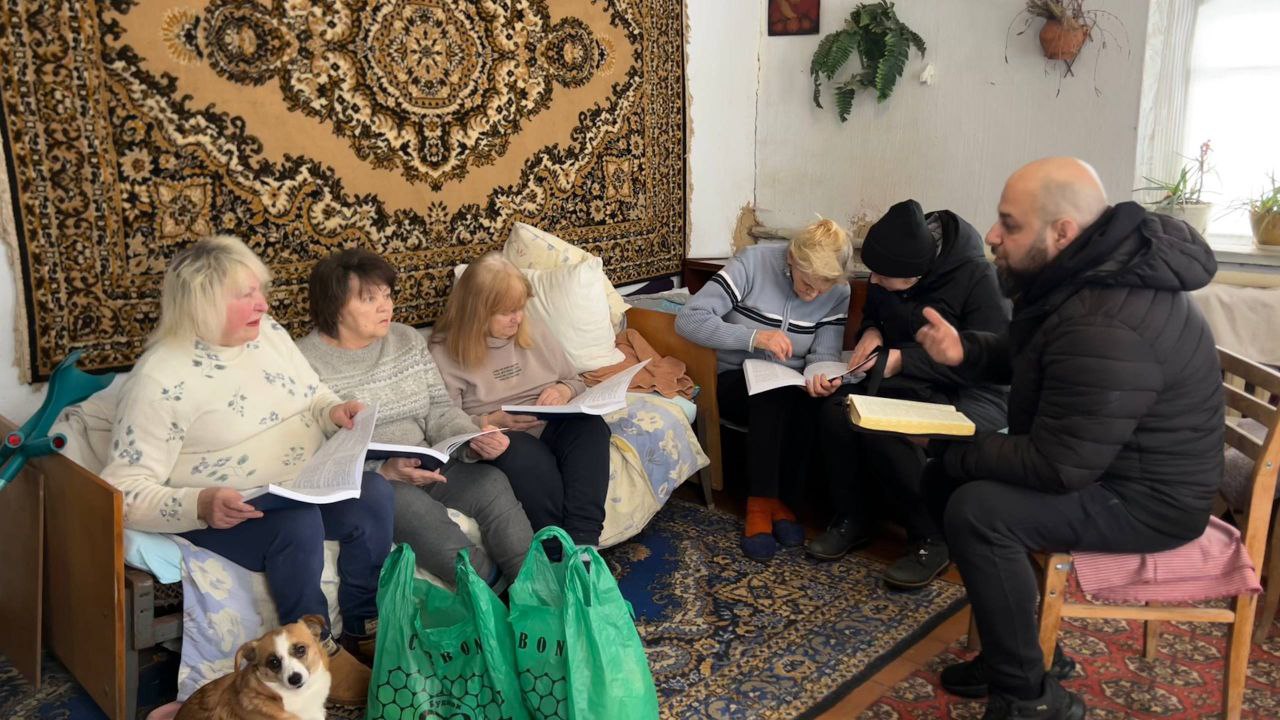
Providing food and serving meals to those in need creates an opportunity to address not only physical needs but also spiritual ones. Our faculty, staff, students and graduates offer comfort, encouragement, and pastoral care, sharing the Gospel with those we serve.
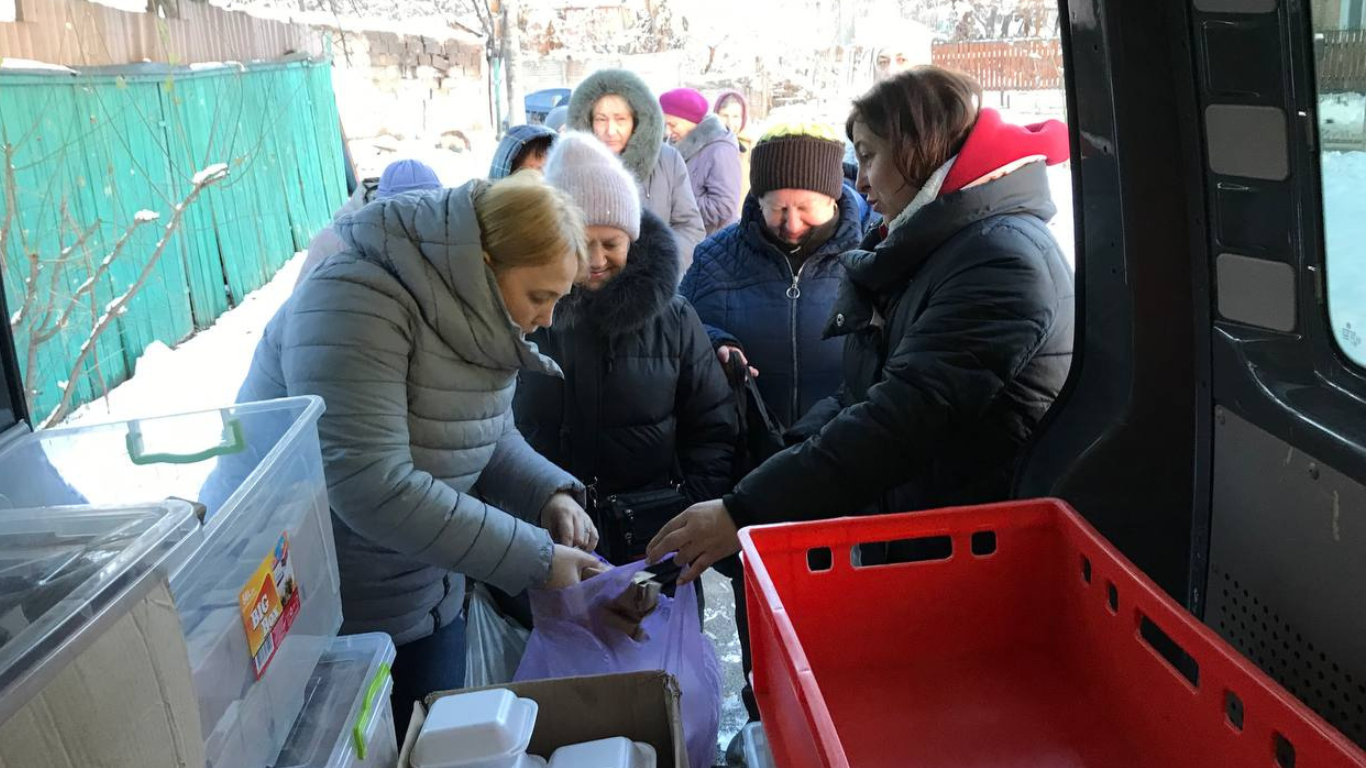
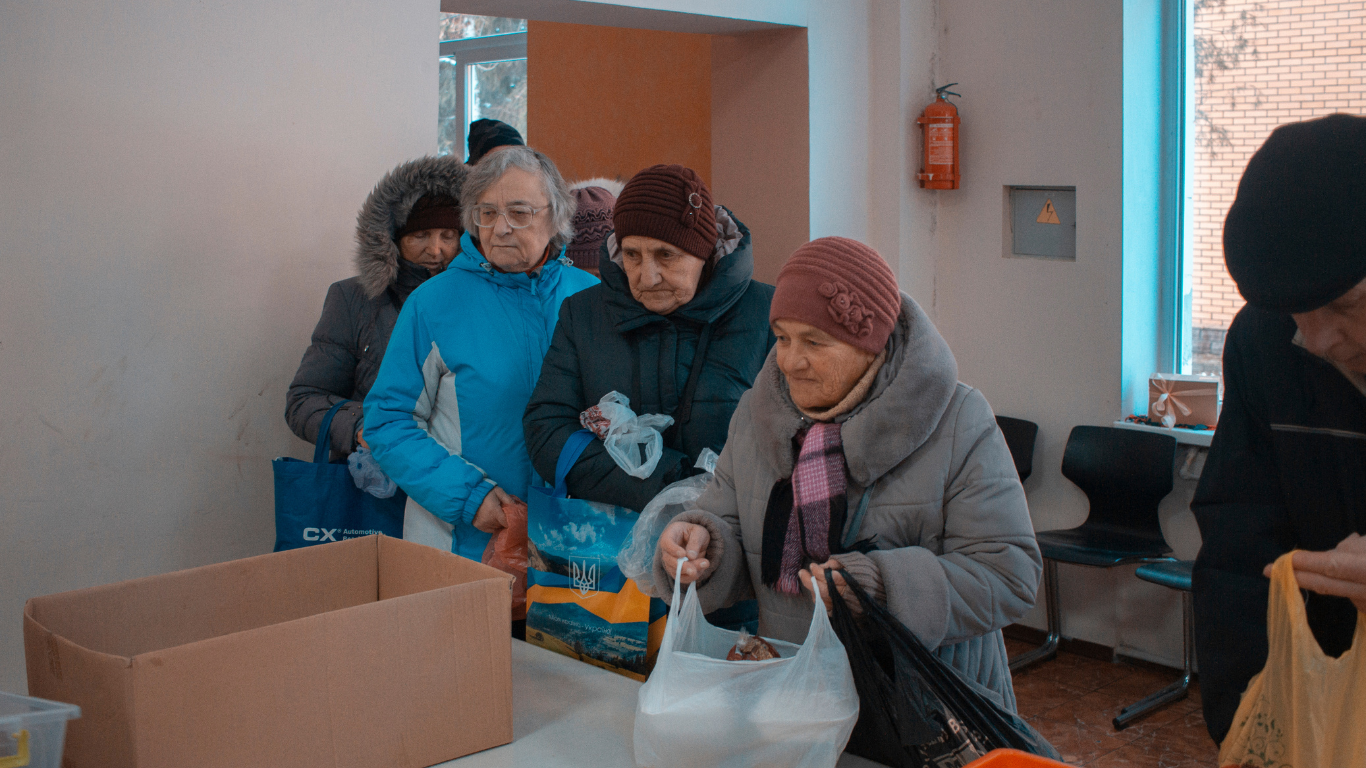
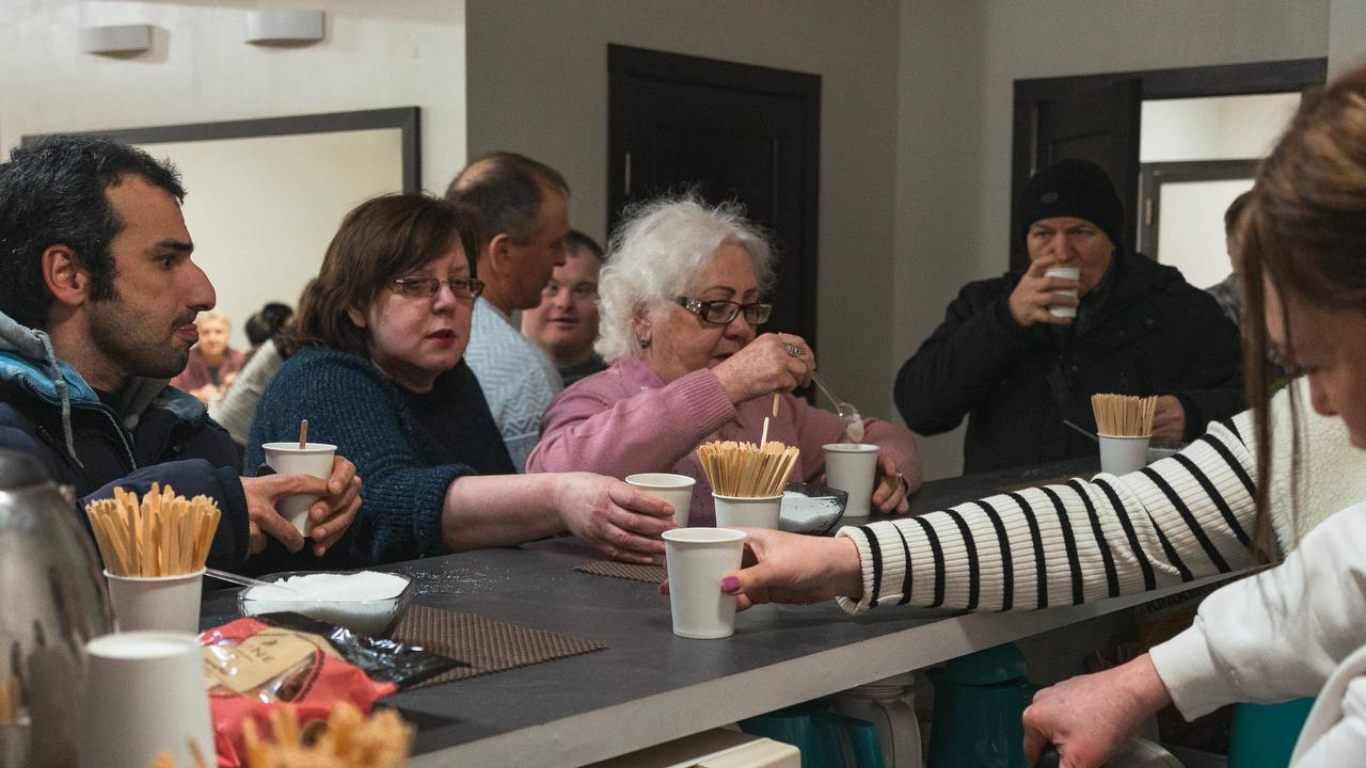
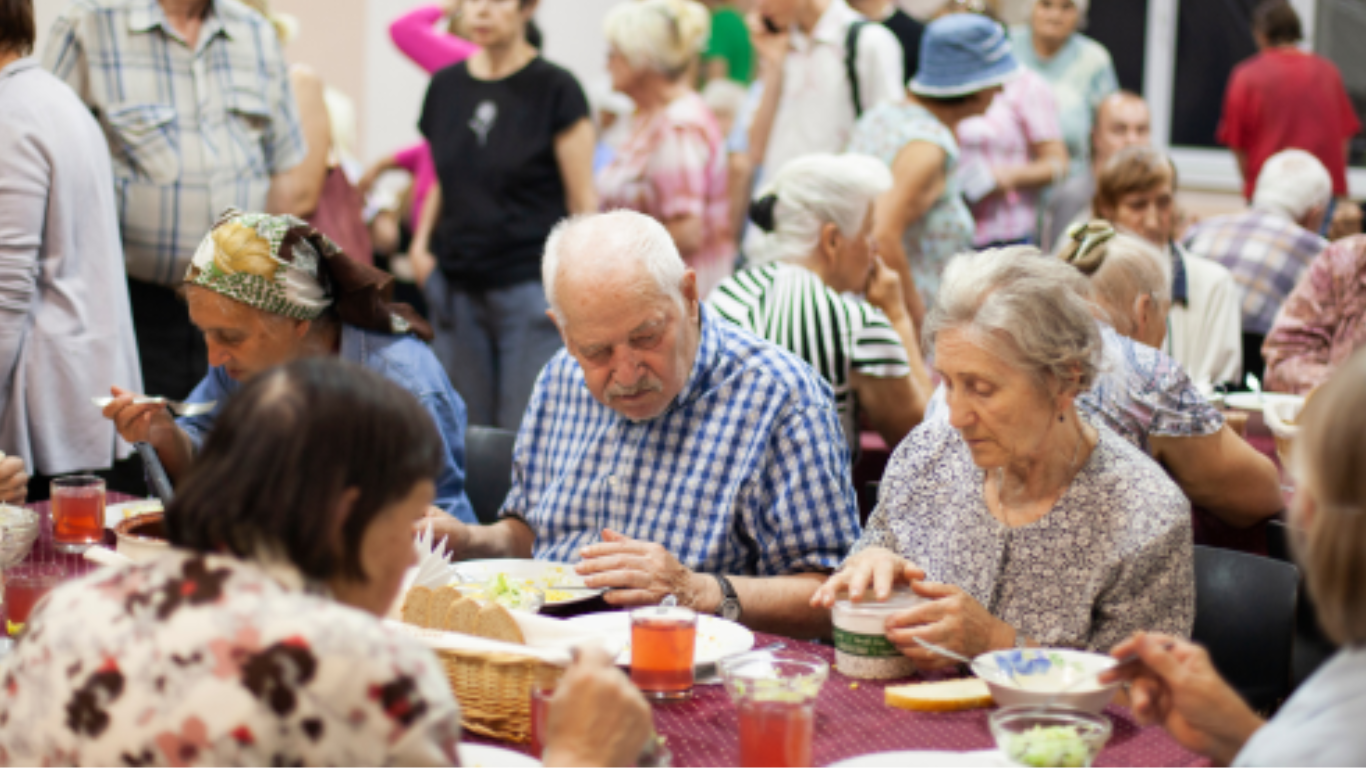
In addition to many other tragedies, the winters during the full-scale war have proven especially challenging for the civilian population in Ukraine. As severe frost and extremely low temperatures set in, the Russian Federation deliberately intensify attacks against Ukraine’s critical energy infrastructure. Ongoing missile and drone strikes cause widespread power outages and blackouts across the country, leaving hundreds of thousands, if not millions of residents without electricity, for extended periods.
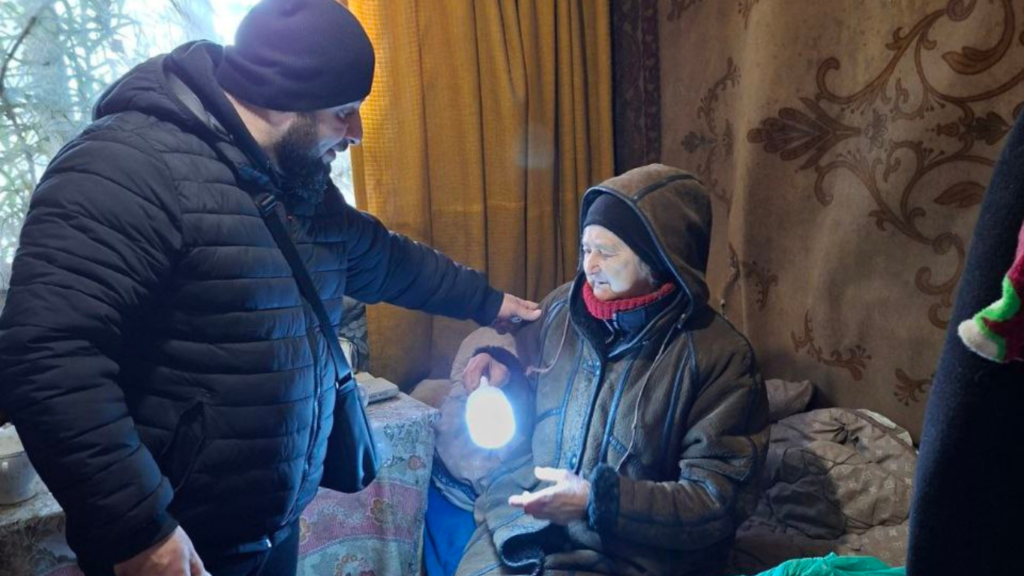
These attacks trigger secondary emergencies, including failures in heating and water supply systems, disruptions to public transportation, and breakdowns in essential services. While some regions face prolonged outages, the rest of the country endure recurring blackouts and daily power cuts. Among the most affected are the elderly, people with disabilities, internally displaced persons, the unemployed, the homeless, families who have lost their breadwinners, families with young children, and large households.
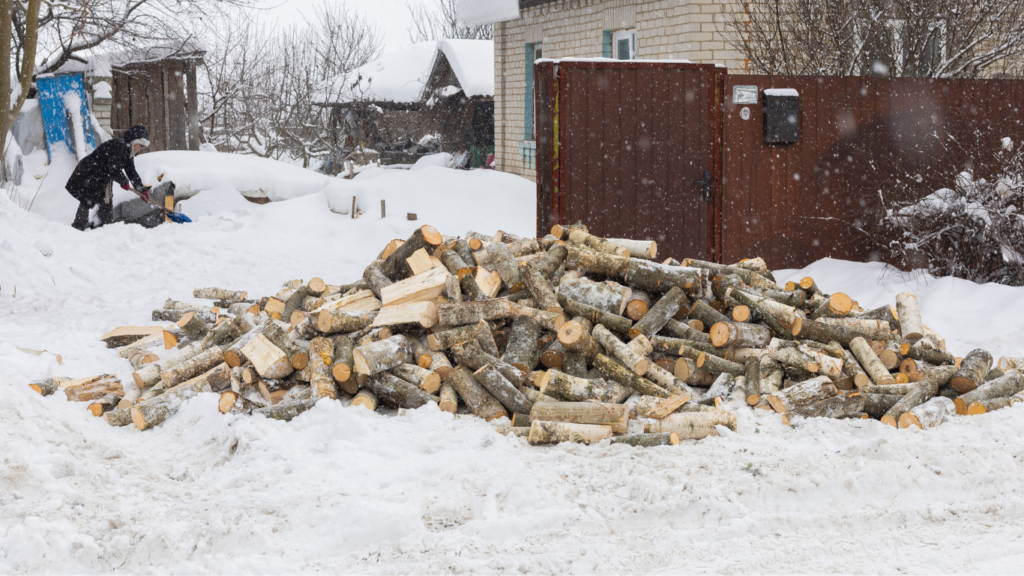
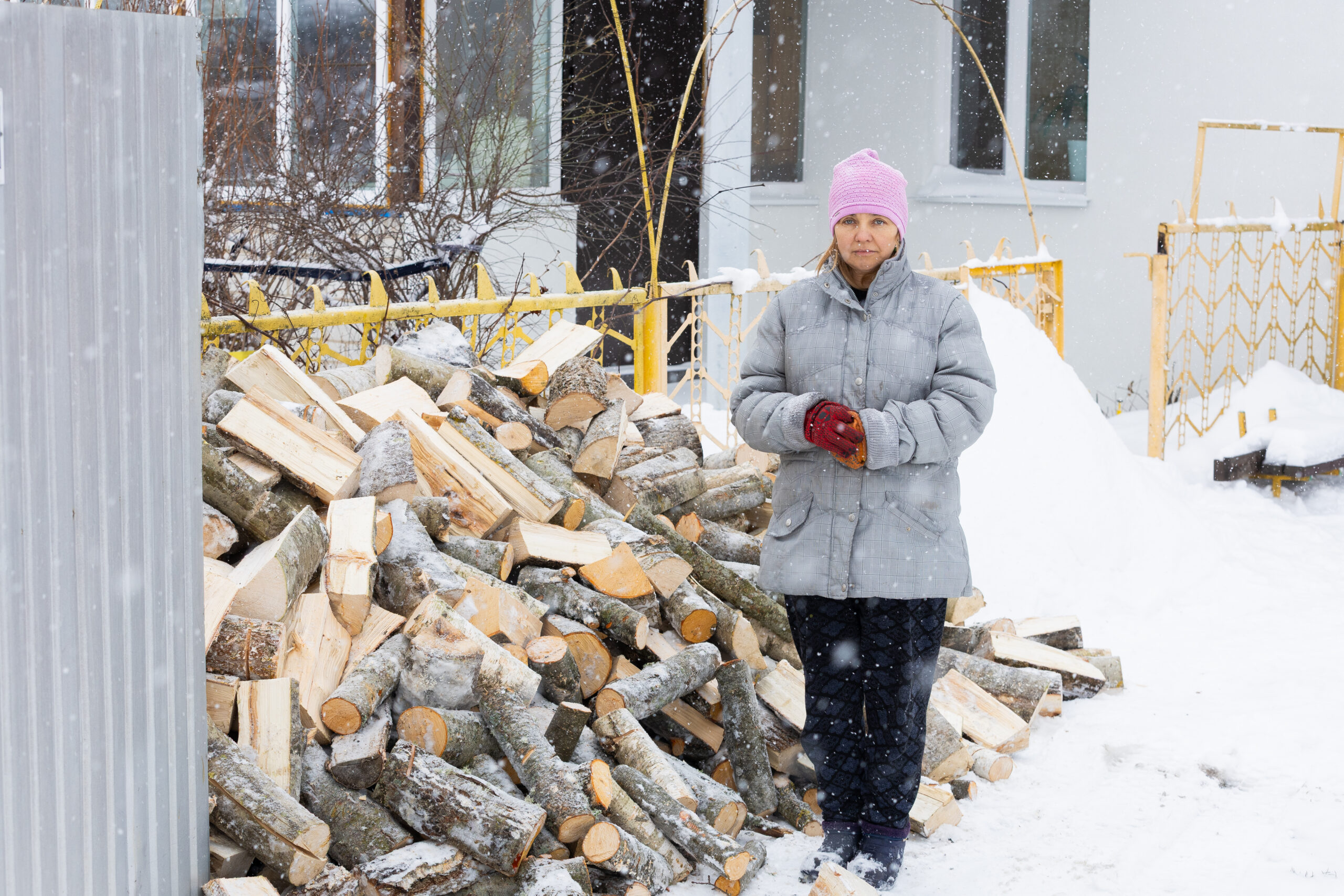
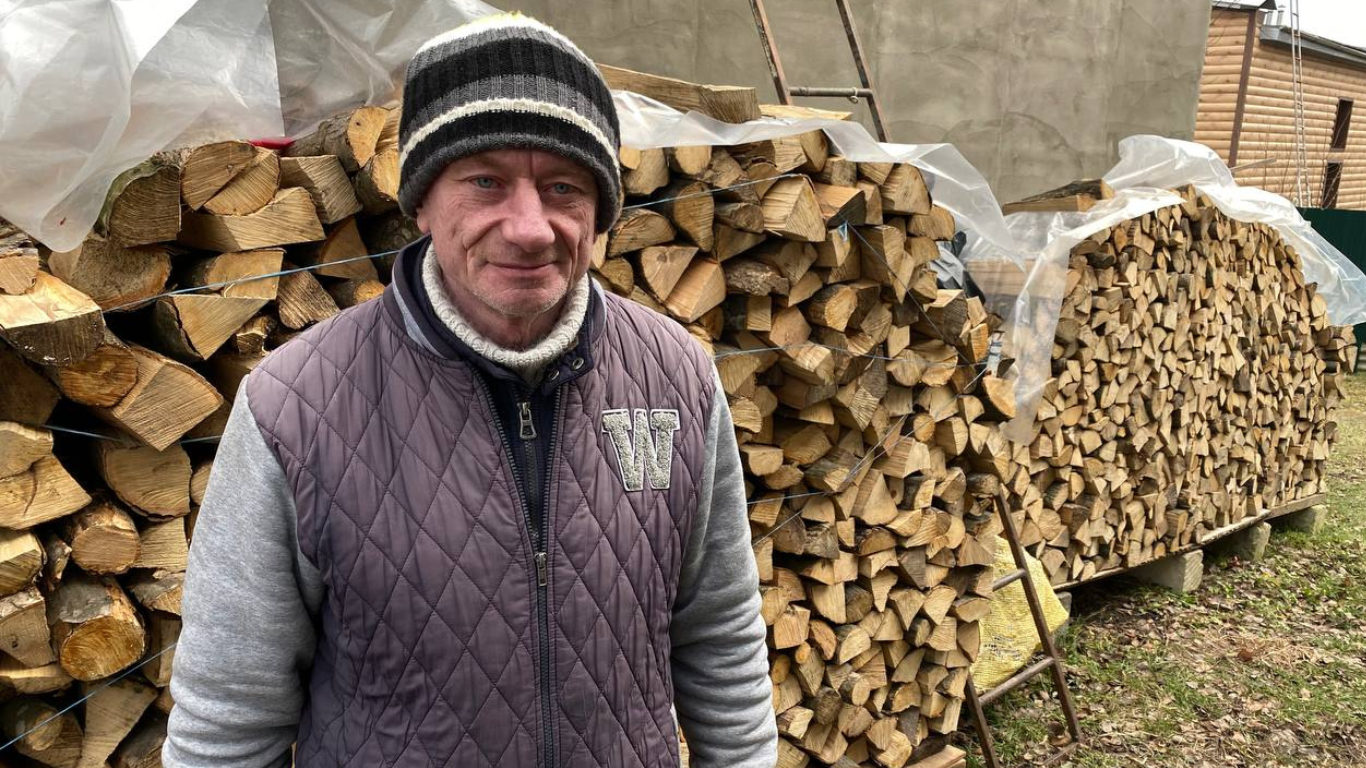
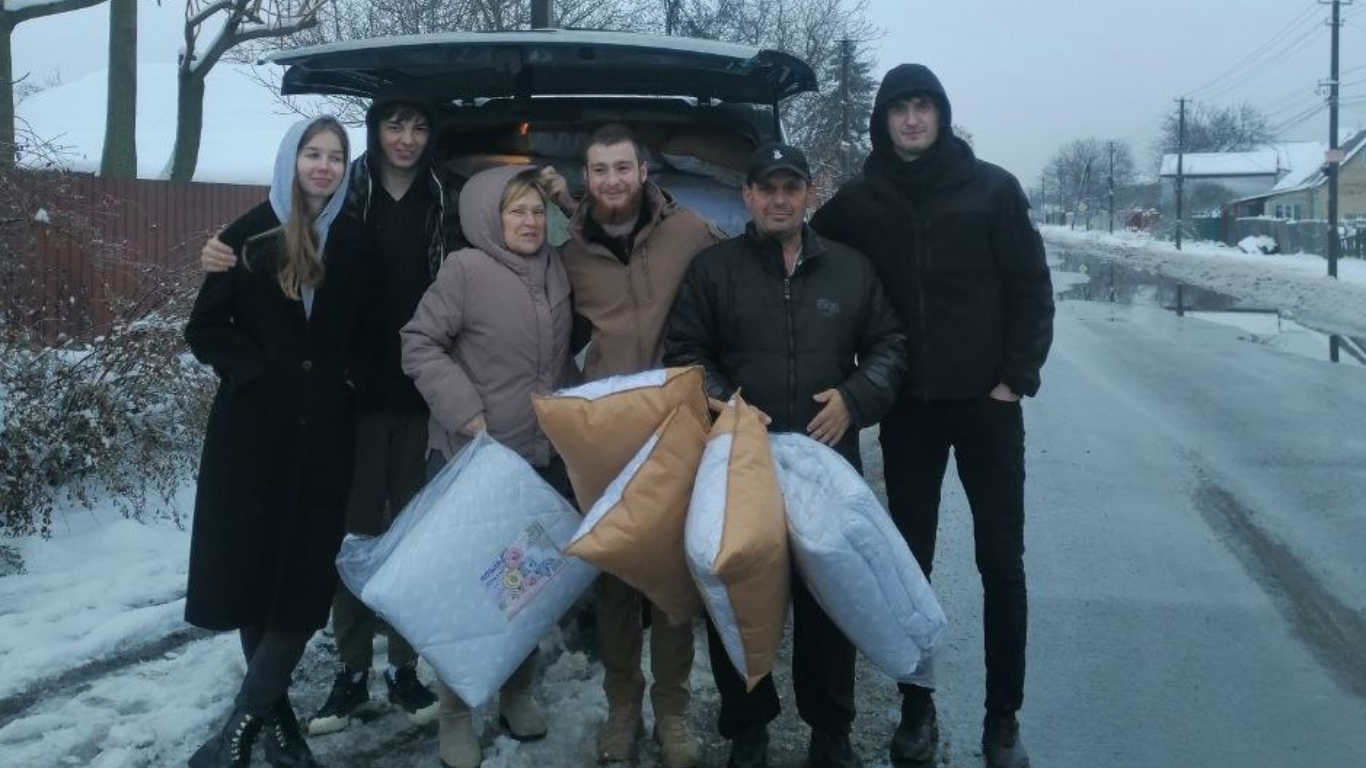
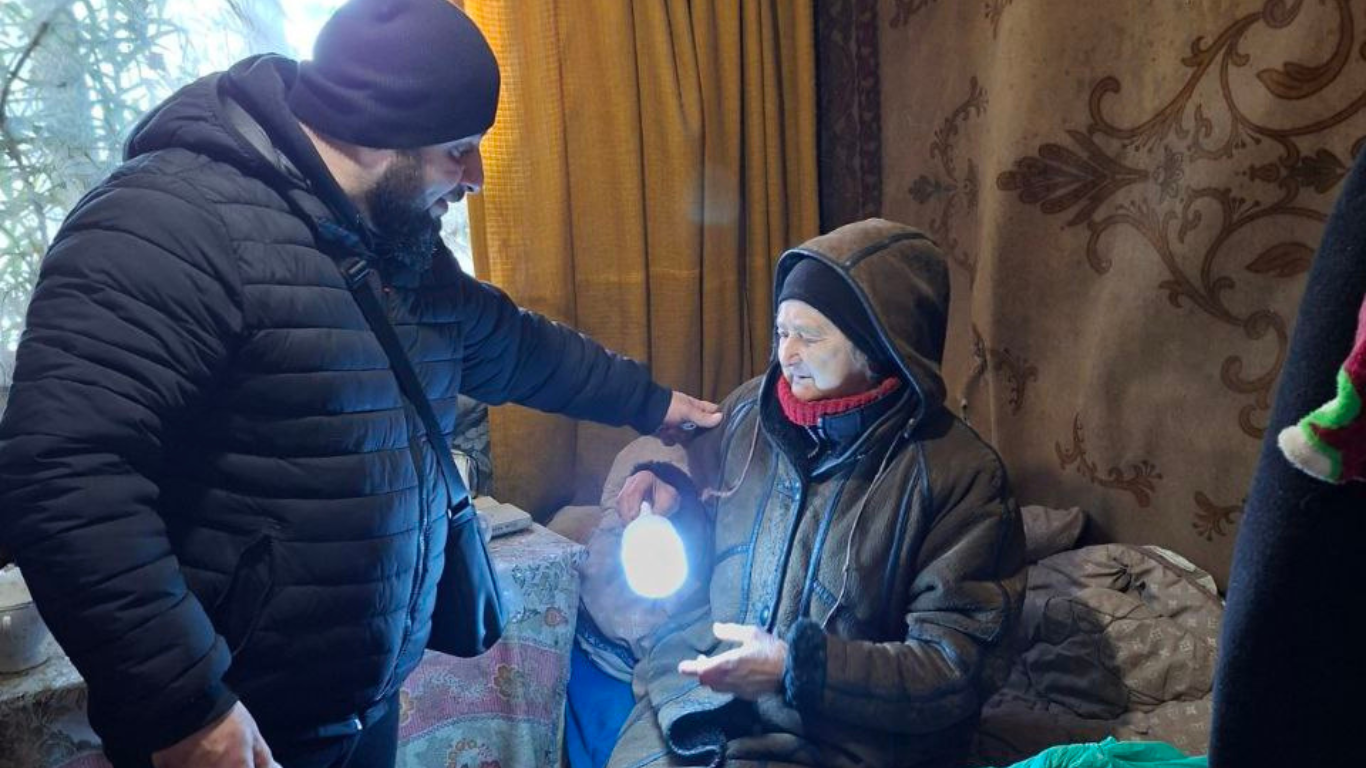
In response, we launched a winterization project, which we have been implementing together with our partners from Faithe Ventures Foundation for several winters. Through this initiative, we provide power generators, power banks, fuel, wood stoves, firewood, warm clothing, blankets, and other vital resources necessary for warmth, basic household needs, and emergency resilience. We also seek to encourage those we serve, offer basic counseling, pray with and for them, and point them to Christ as the ultimate Counselor.
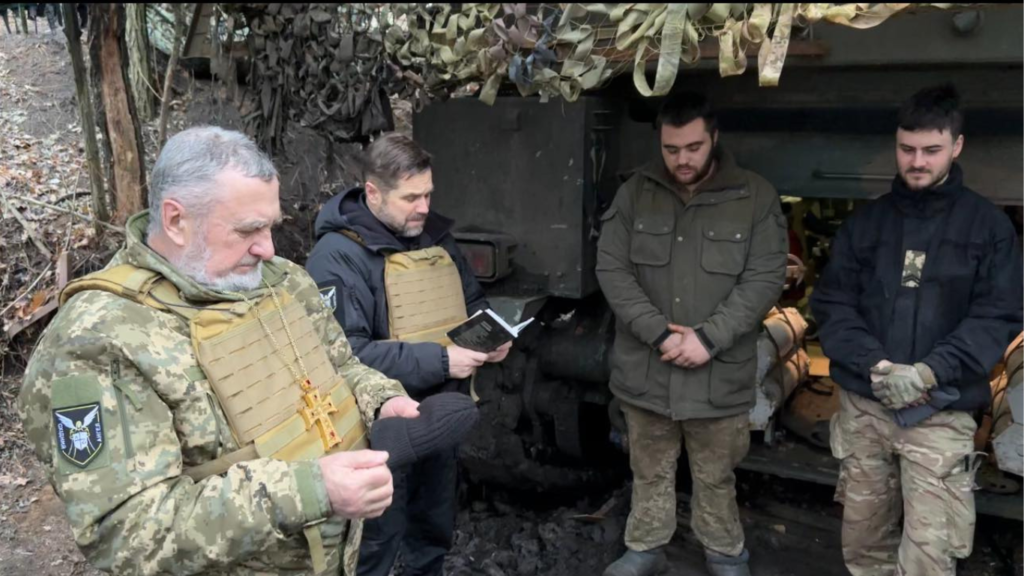
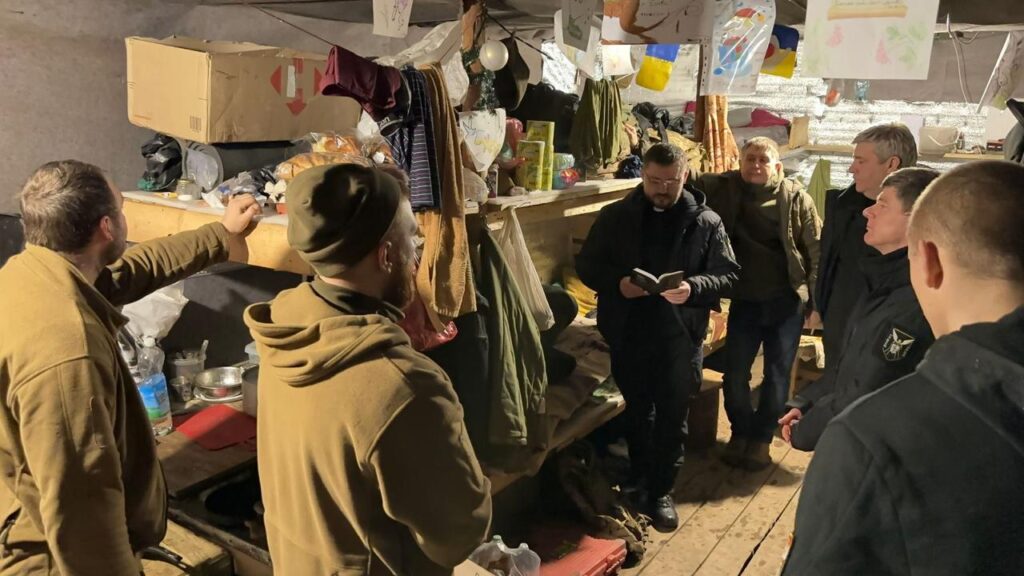
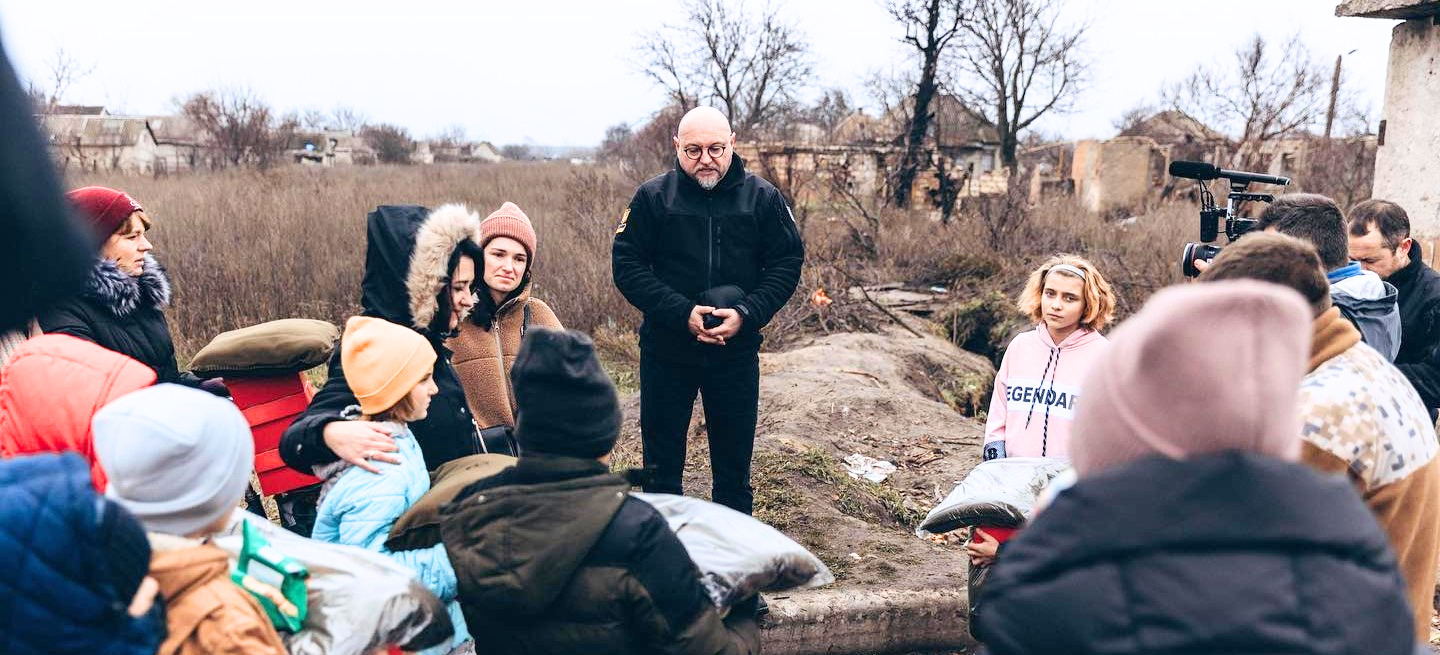
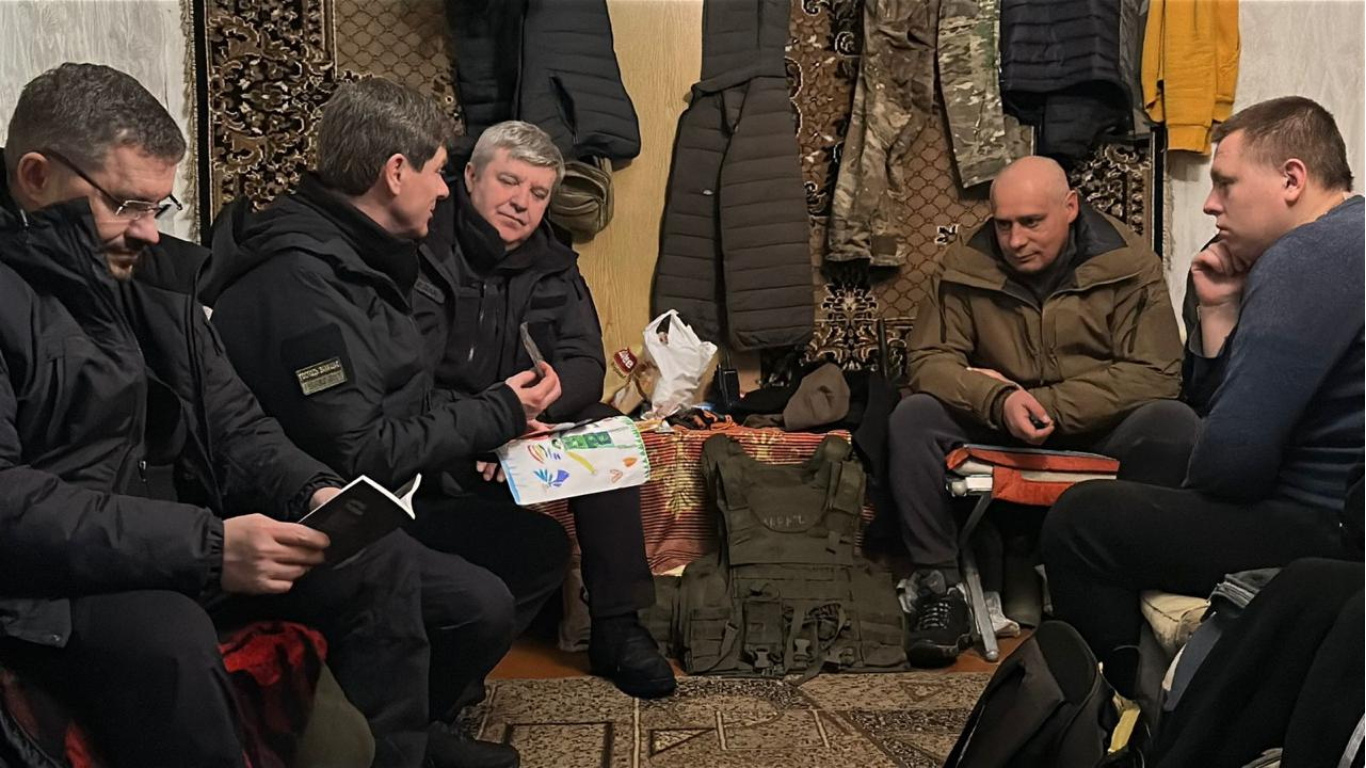
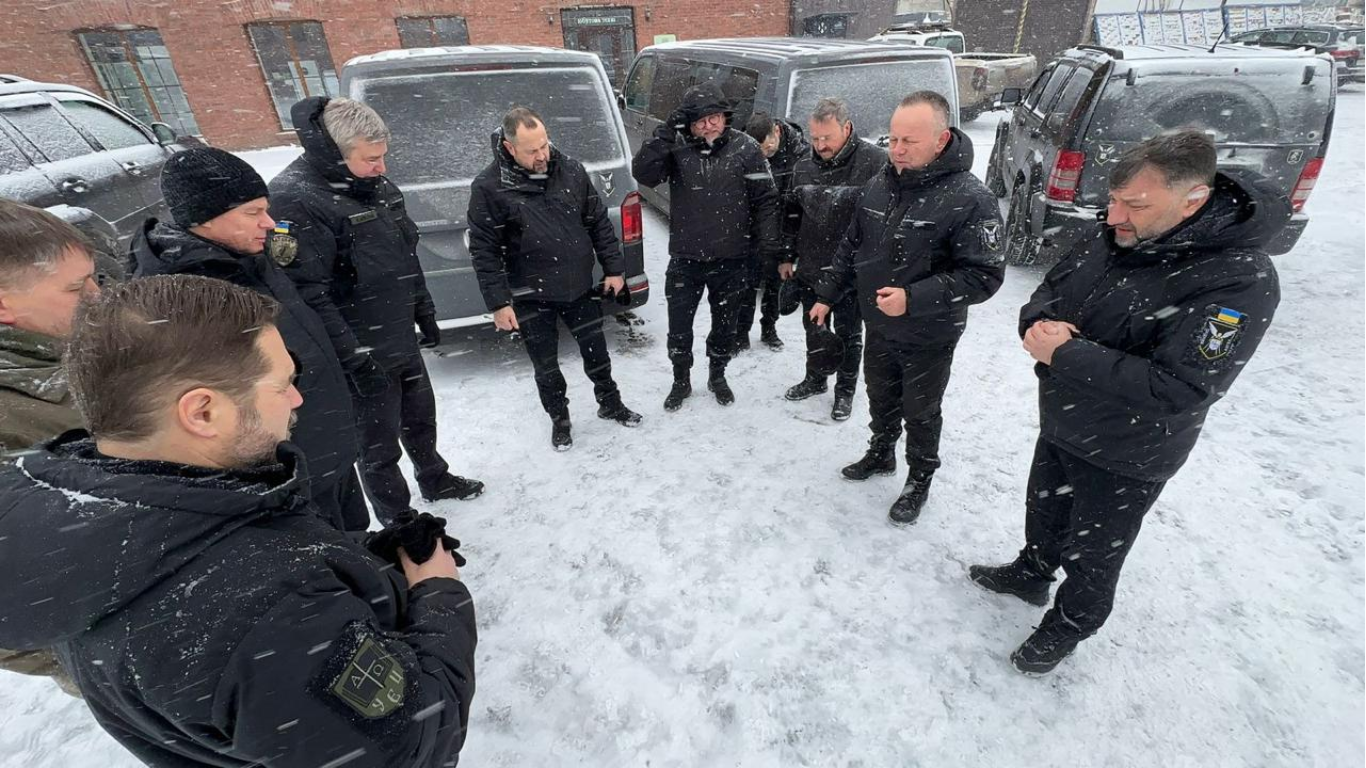
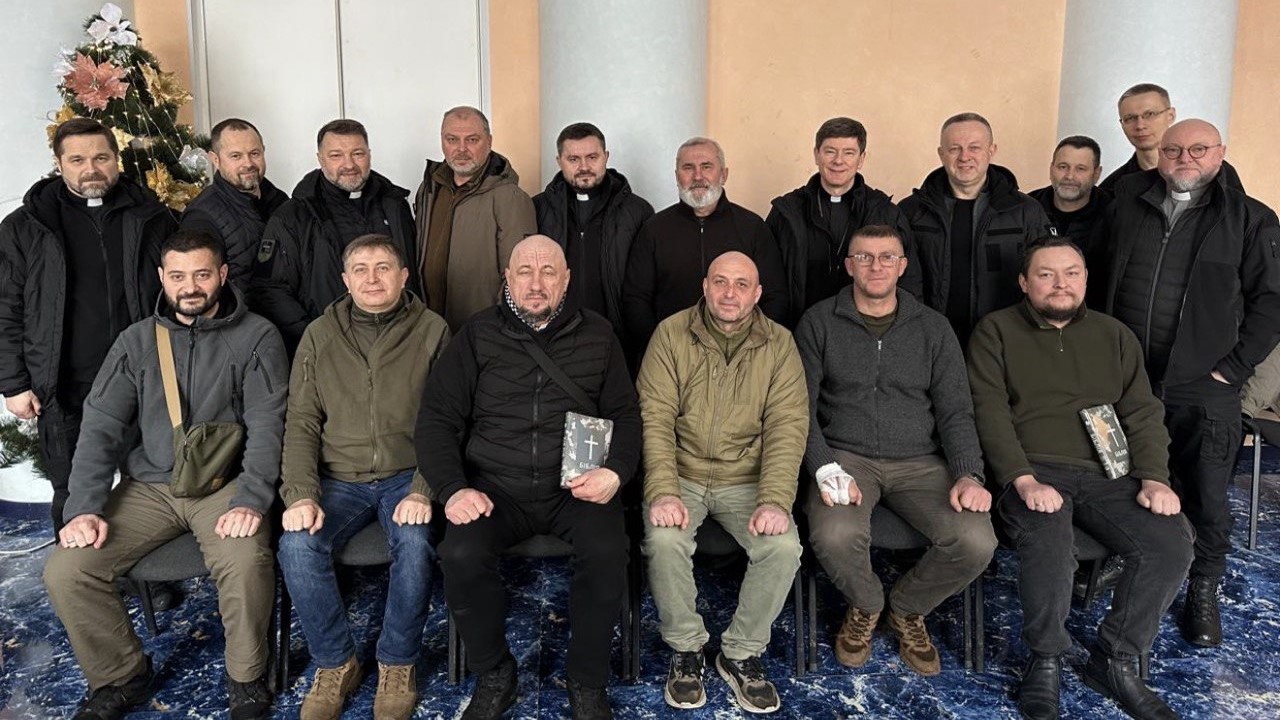
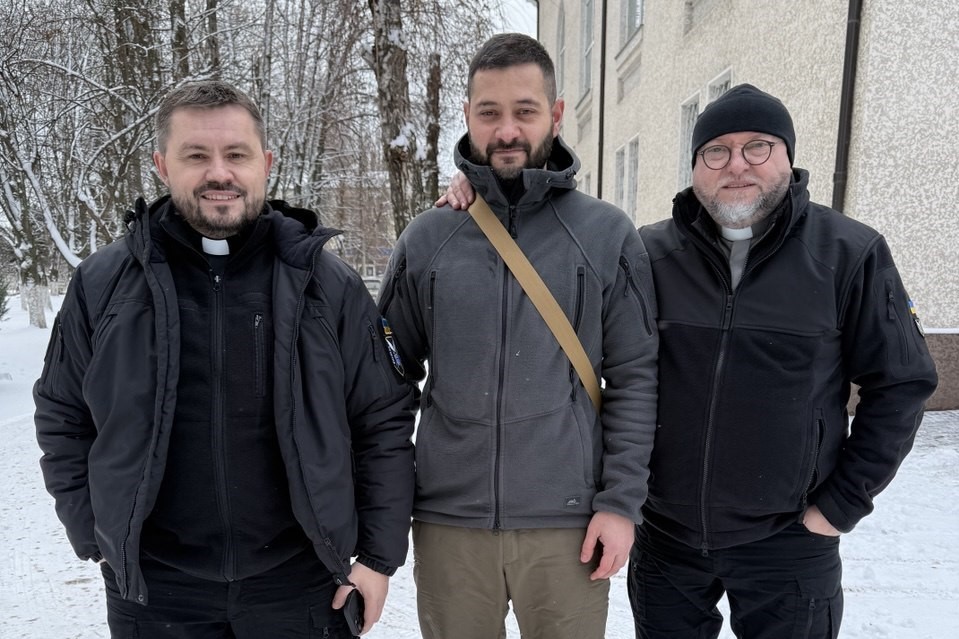
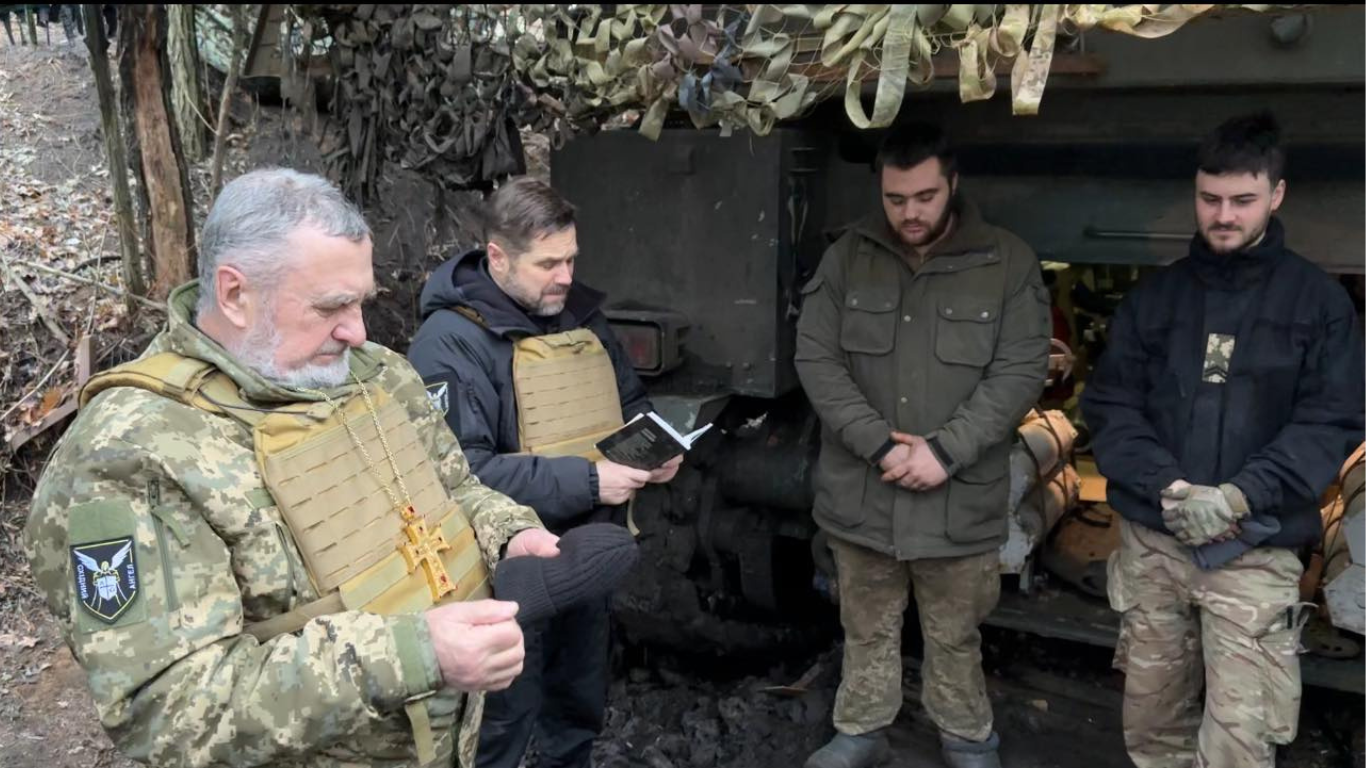
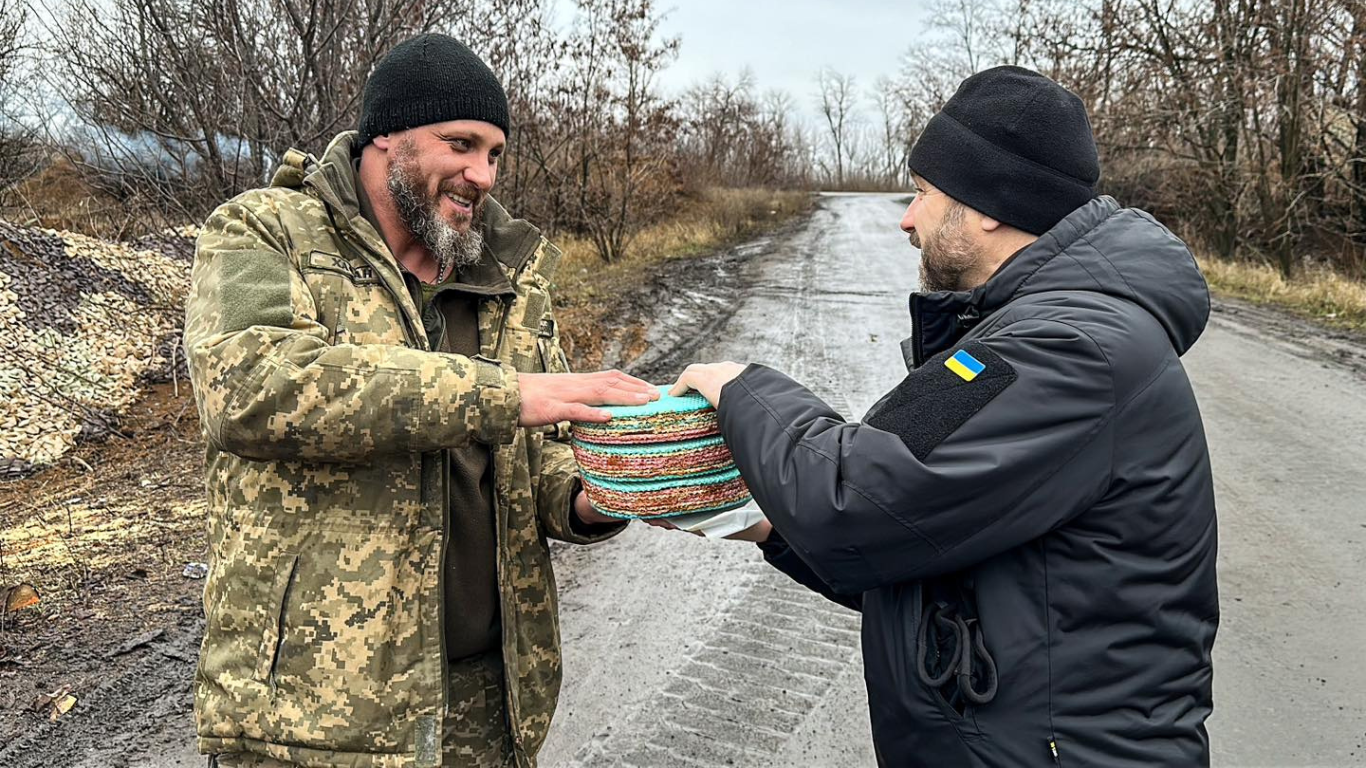
For the past few years, the UETS team has been visiting frontline areas in eastern Ukraine, connecting with military personnel, chaplains, and local church leaders. These trips aim to provide encouragement and support, offering prayers, worship, meaningful conversations, and feasible aid to those serving and living in challenging conditions.
During these visits, the team tries to gain a deeper understanding of the real needs and pressures faced by the military, chaplains, and local pastors. Many feel isolated, overlooked, or under-supported, especially during Christian holidays, while pastors often struggle to provide spiritual guidance to their communities while lacking personal psychological, moral, and spiritual support themselves. Visiting UETS faculty serving as frontline chaplains is especially meaningful.
Armed with these insights, UETS brings the experiences and needs of frontline communities into discussions with church networks and national representatives dedicated to supporting those who stay and serve. These chaplaincy trips reflect UETS’s holistic approach to ministry, helping carry out its mission of sharing God’s love, values, and the principles of His Kingdom in areas where they are most needed.
UETS allocates a portion of its winterization budget to support churches and organizations where UETS students and graduates also serve various vulnerable populations. These churches and organizations provide direct assistance, including hot meals, to vulnerable individuals and families, including the elderly, displaced persons, and those living in areas most affected by power outages. Through this network, the winterization support reaches communities that are often difficult to access through other means.