


Nadiya is a minister at Way Home Сhurch and chaplain who lost her husband in the war in 2014. Today she ministers to wounded soldiers, grieving families, and vulnerable teens in the Dnipro region.
I was born back in the USSR, in the Dnipro region, into a big Christian family at a time when church wasn’t allowed. We were persecuted for being part of a church. The authorities even wanted to take us kids away from our family. Yet every night my father would come home and read the Bible to us. We would listen and write down verses from the Gospels and the Psalms in our notebooks, and then we would learn them by heart. There were times when our home was searched, so every time after reading the Bible, my father would take it out to a shed and hide it there.
During one of those Bible readings, when I was about eight years old, I stopped my father and asked him if Jesus had really died for me too. I cried a lot when I realized that, and after that we became very close with Jesus. I remember that even as a child I wanted to serve God, so I did what I could. I decided that every time I walked to school and back, I would pray along the way. Later, as a teenager, I would share the Gospel with people in the streets and invite them to evangelistic meetings that we used to hold at our home. That was the start of my relationship with God.
Later, when I finished school, I moved to the city of Dnipro and joined a local church, where I became part of an evangelistic mission team. We would travel around the USSR and share the Gospel. I remember that many people came to God then, and many churches were started as a result.
Later I got married and had three children, so I could no longer go on missions. My husband and I started a church. It began in our home and gradually grew into a full-fledged church. It’s called Way Home Church.
How has the war affected your life and ministry?
In 2014, when the war broke out, my husband joined the Army. He served there for about a year, and during one of the military operations, he was seriously wounded and was considered missing in action. We searched for him for a long time, and eventually found out that he had died from his wound that same day and was buried in that territory.
I continued to minister at my church throughout that whole time. We didn’t really know how to deal with our pain. When the war just started in 2014, we didn’t know how to talk about it, or who to talk to. In our areas, the public held many different opinions about what had happened. So we hid our pain in public while grieving deeply in private.
Later I began serving families of military personnel — the wives of our fallen defenders who were going through the same pain I had experienced.
Can you tell us more about your current ministry?
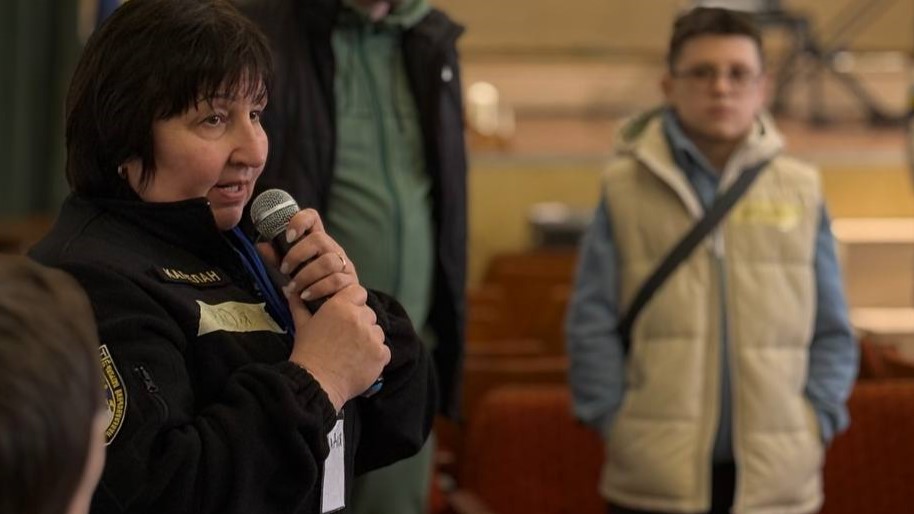
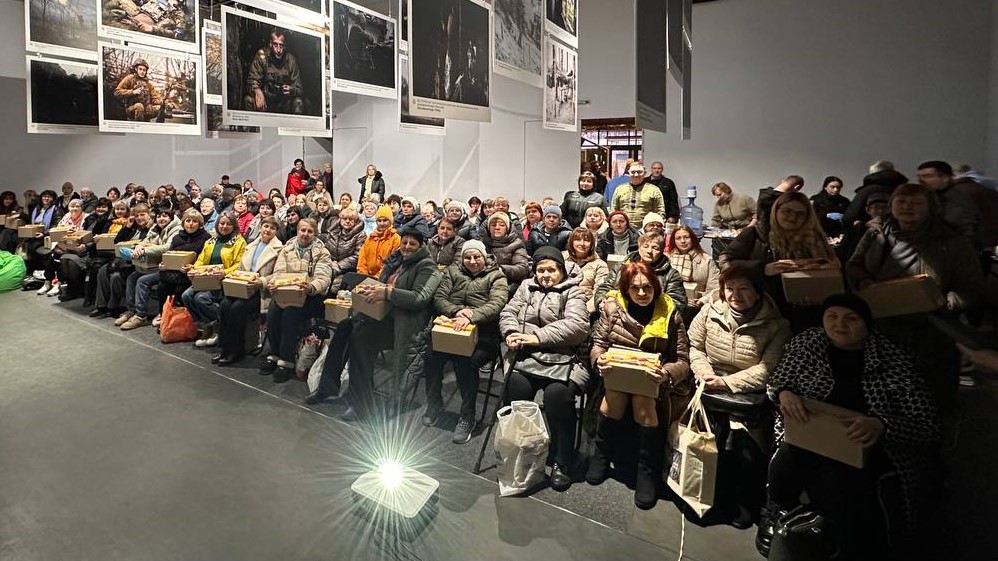
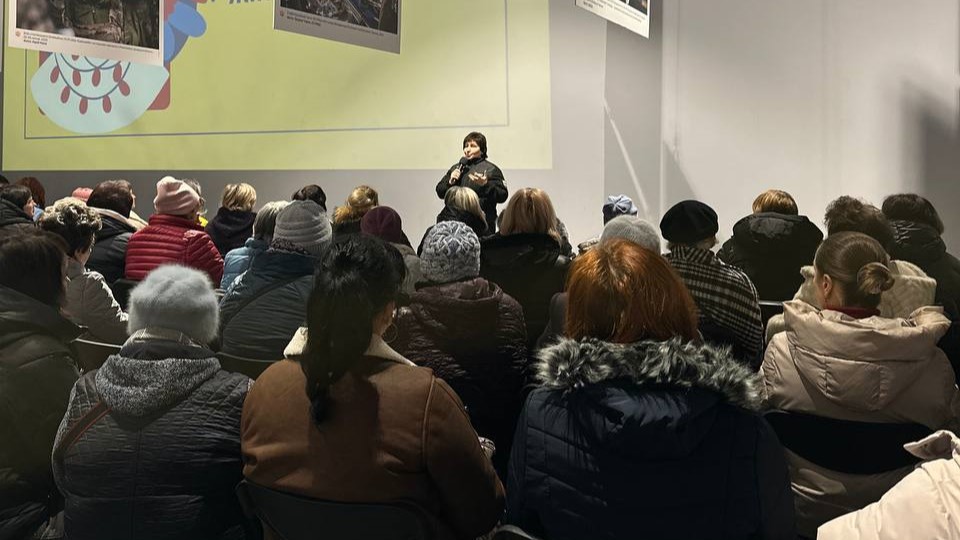
I am now a military and police chaplain. I try to use the pain I went through myself to bring healing to those who have had similar experiences. I have a team that helps me. We now minister not only to the families of our defenders, but to our soldiers as well. We often visit wounded soldiers in hospitals and try to bring them care and the Gospel.
Why did you decide to take part in the Social Ministry Workshop at UETS?
I wanted to support our teen ministry I am also involved in, so I gathered a team of people, and we went to study together. Our teen ministry suffered greatly when the power outages began in winter. We couldn’t continue it because we didn’t have a place warm enough, and the missile attacks were very heavy. So parents simply wouldn’t let their kids attend the meetings.
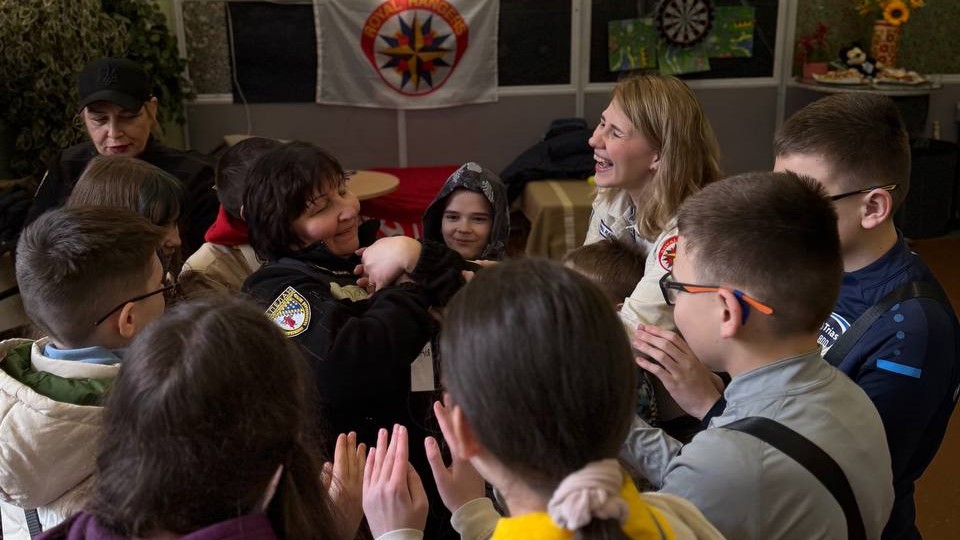
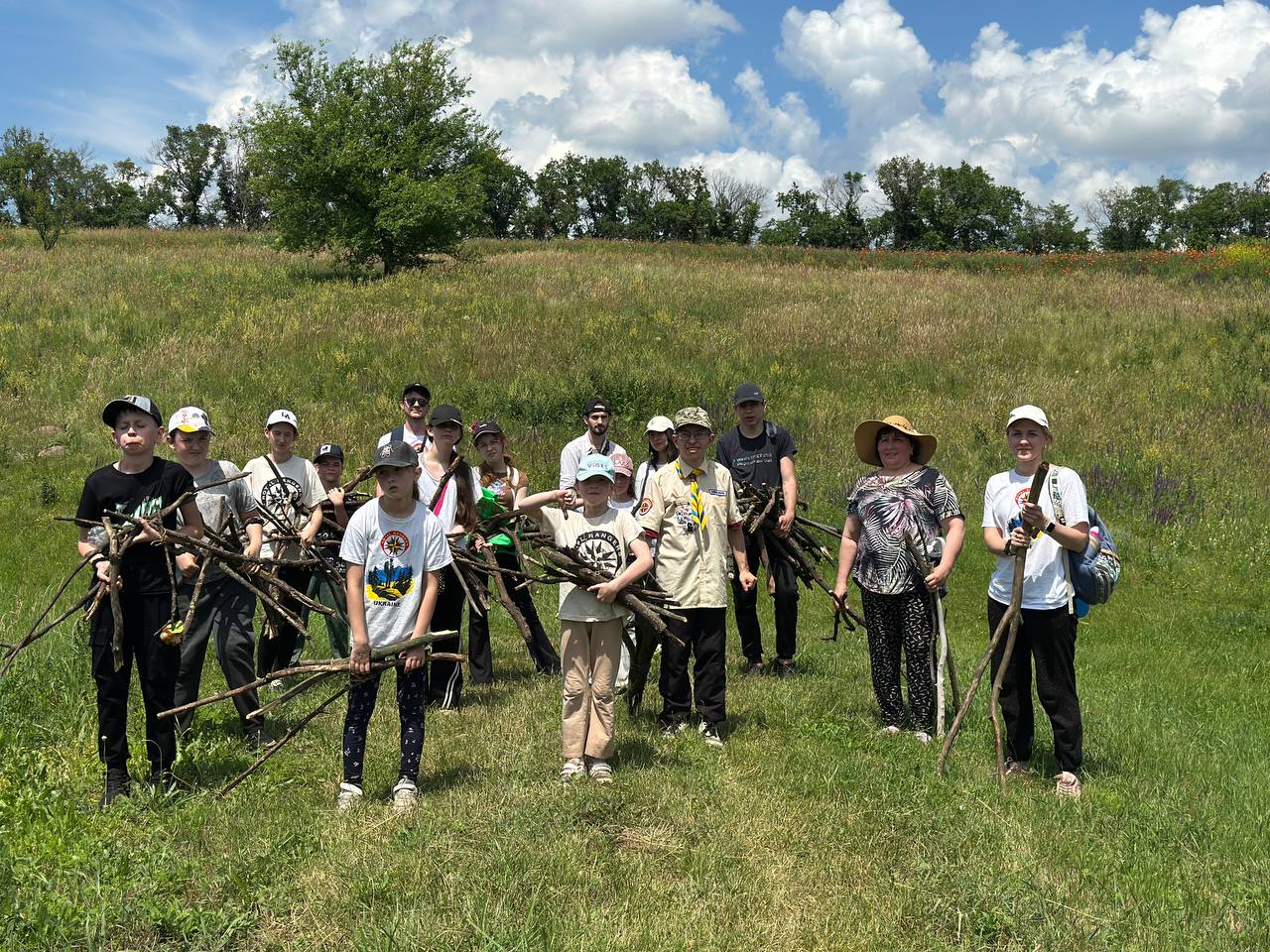
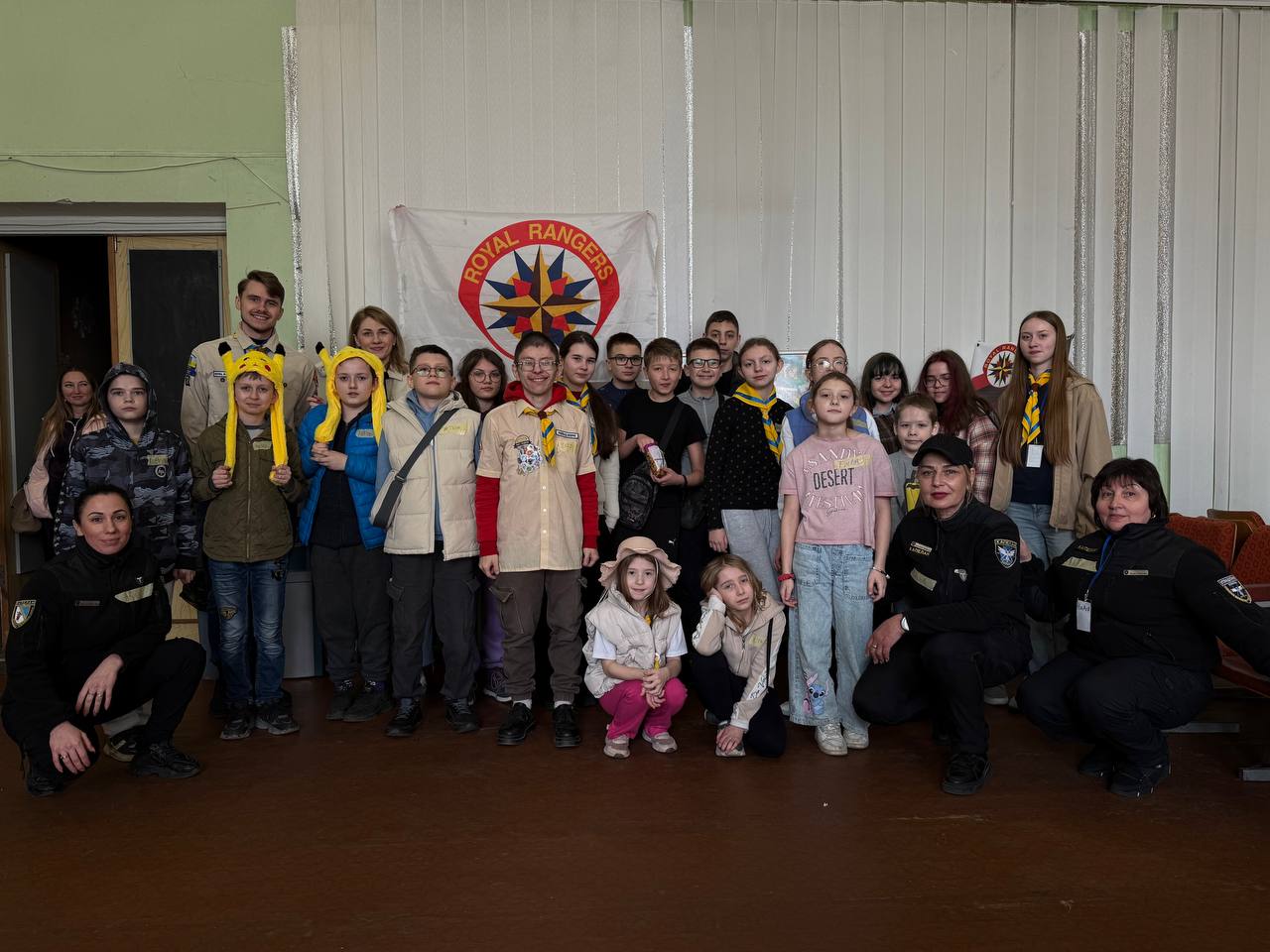
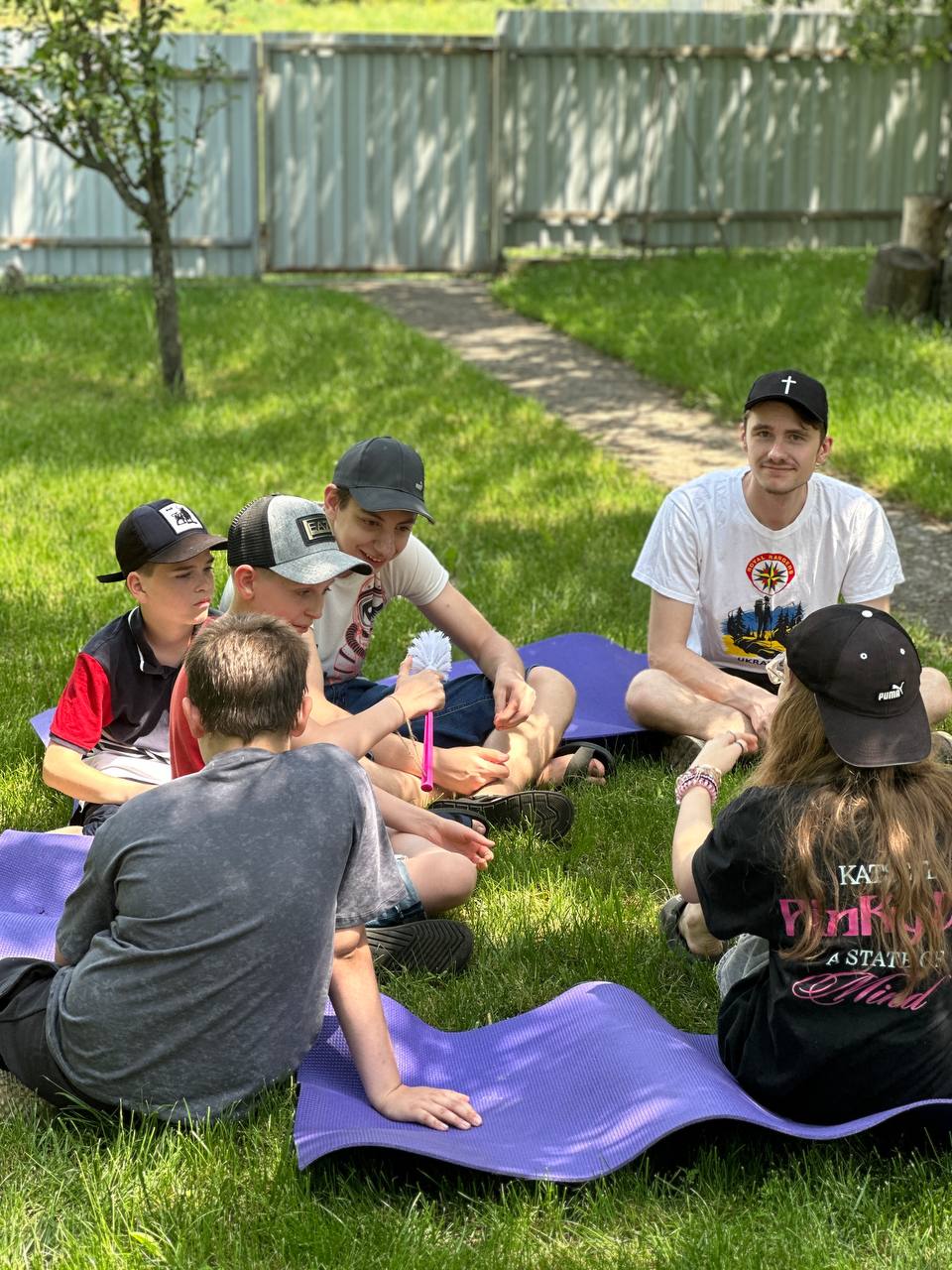
We decided to refocus our efforts and started looking for teens outside the church. In April, we launched an Educational and Character Development Program called “Path to Change” — the project we developed through UETS’s Social Ministry Program.
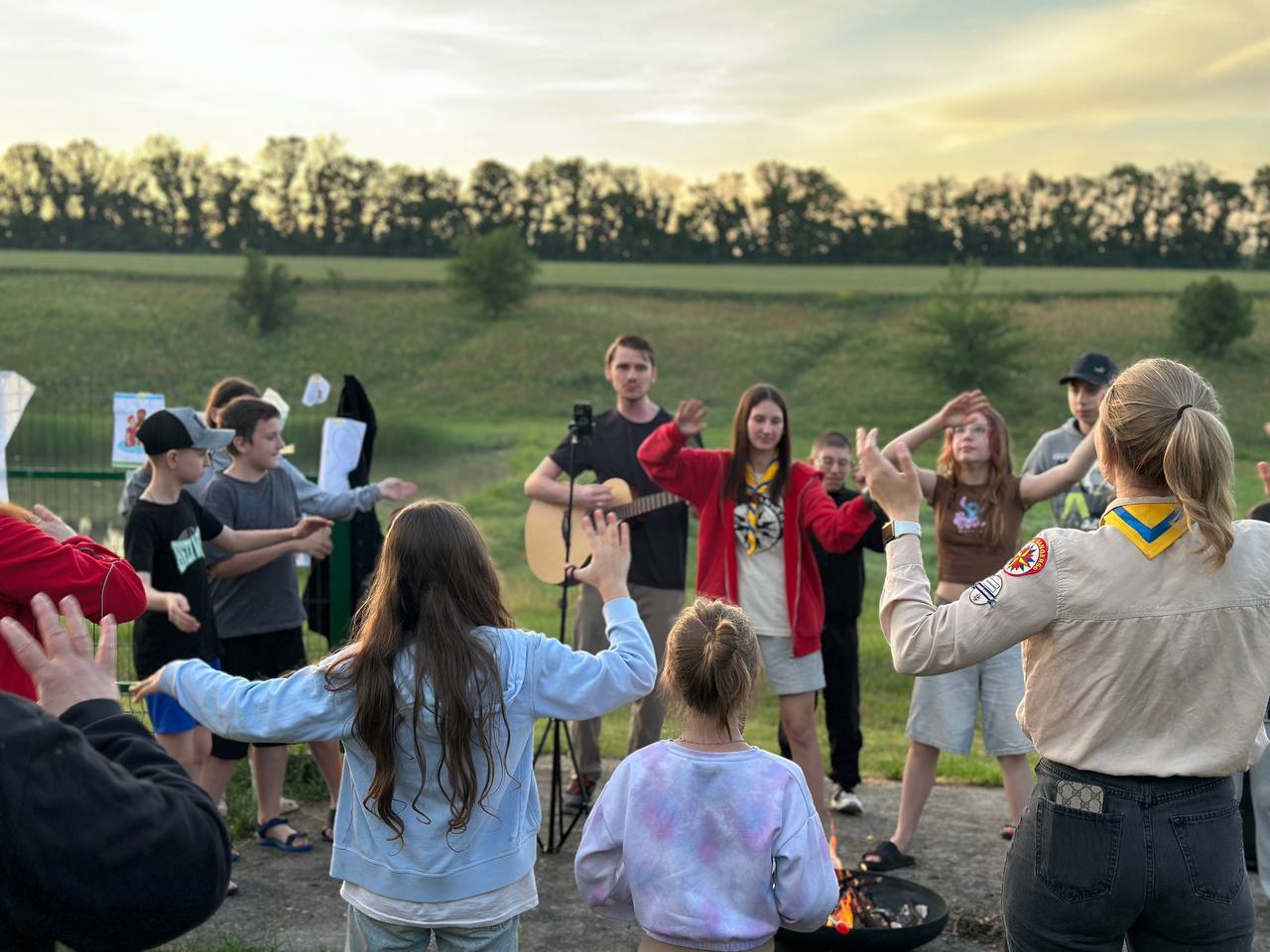
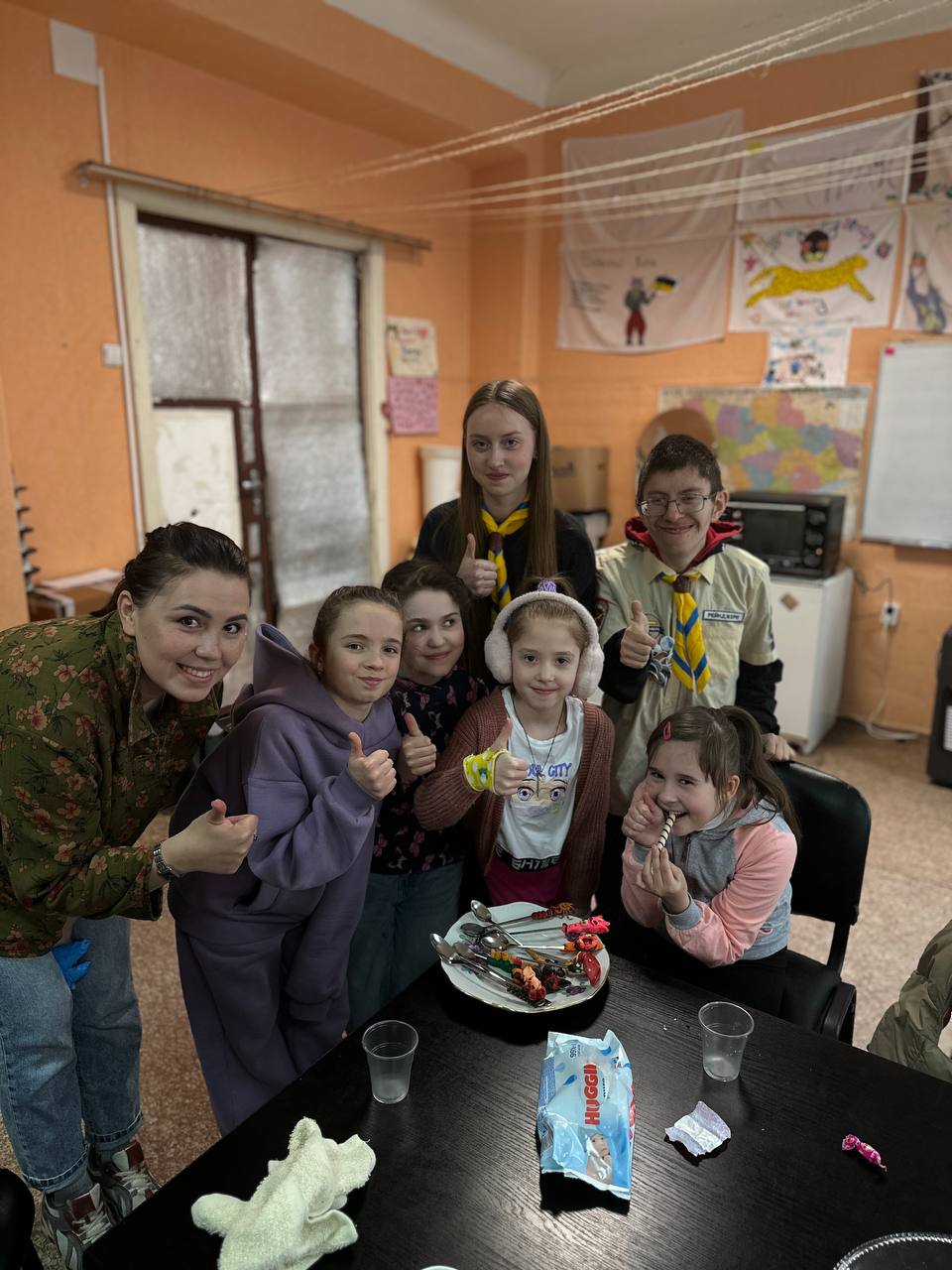
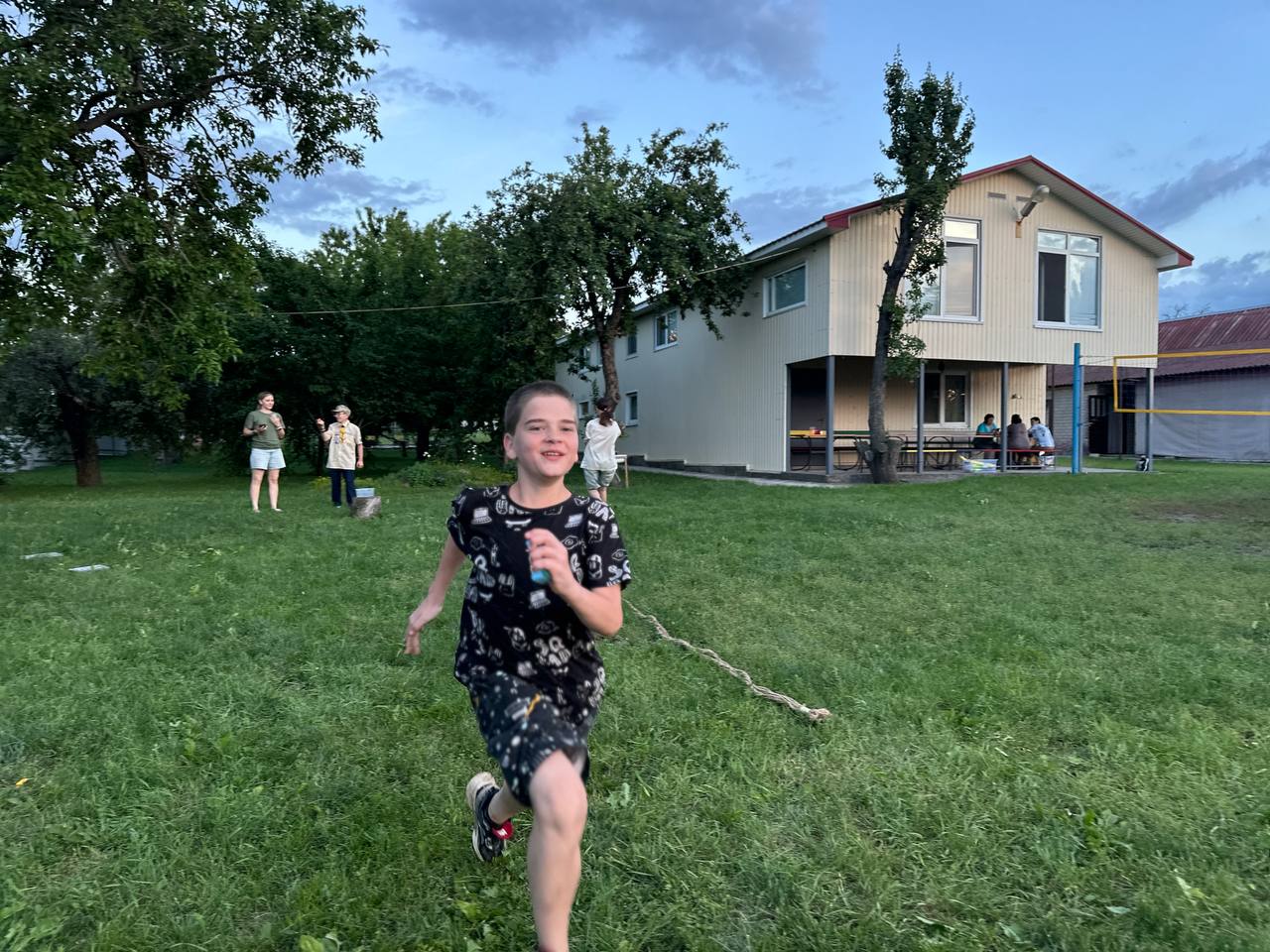
We launched it in April, and a total of twenty teens joined the program for leadership lessons that lasted two months. Sixteen of them were from socially vulnerable groups — children from disadvantaged families, military families, children with disabilities, and internally displaced children (IDPs). At the end of the program, we held a summer camp, and twelve teens from the “Path to Change” program decided to join it as well. We’re grateful that this program helped us reach the hearts of these teens and their families, who have grown closer to God because of it.
How did studying at UETS influence your ministry?
The leadership and team-building component affected me the most. I understood how to lead my team better so we could have a greater impact. One of the program’s lecturers, Olha Kondiuk, even came to our church afterward and held a seminar for our leaders. We looked at how we had worked before and what we could do better going forward. I can honestly say that the leadership and team-building challenges I face now are much easier to handle.
Another thing that was very valuable to me was that, as part of our coursework at the seminary, we were asked to look at and evaluate the resources we already had. That task really opened my eyes. I was amazed at how much we already had that we hadn’t even noticed. It helped me learn to use what I already have more effectively for God’s glory.
What impact would you like your teen ministry to have?
Of course, our greatest goal is to sow the Word in their hearts, and we hope that the Word will grow and bear fruit, whether we see it happen or not. We already see them beginning to live according to Christian values in many areas of life. Ultimately, our goal is for them to be saved into God’s Kingdom.
Can you think of a particular teen whose life changed through your program?
I remember one girl, twelve years old, very independent, from a good family. She attended the Path to Change program and later joined the camp. Her parents, though cautious at first, were amazed at how everything was organized when they brought her to the camp. I’m very happy that their hearts are now open, and we hope to see them — along with their daughter — in church this September. The girl is a very talented singer, and I truly see a future worship leader in her. I hope for it.
What is your dream for your church and your ministry?
I dream of new leaders growing, of new people coming to church, hearing the Gospel, and becoming part of God’s people. I dream of a church filled with the Holy Spirit — one that hears God and faithfully follows Him.