


Ruslana and Volodymyr, a married couple originally from Mariupol, joined the “Ministry to the Blind” mission after the start of the full-scale war. Today they travel across Ukraine, organize Bible groups, help with social adaptation, run rehabilitation projects, and work with people who lost their sight because of the war.
Tell us about yourselves and your ministry. How did you come to work with blind people?
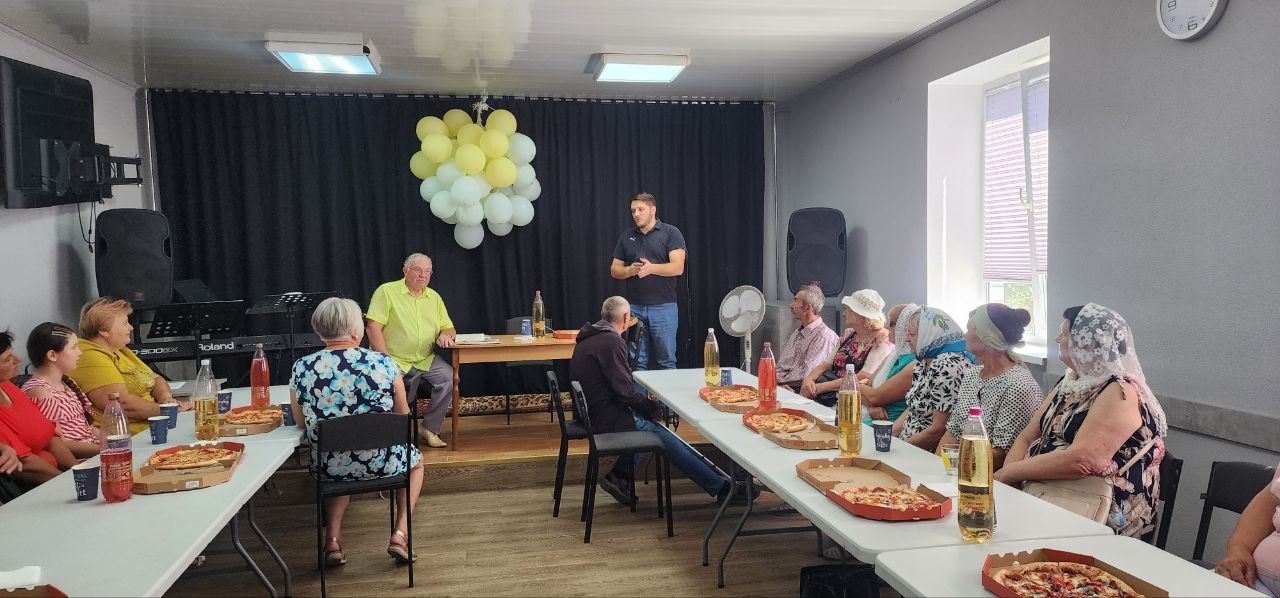
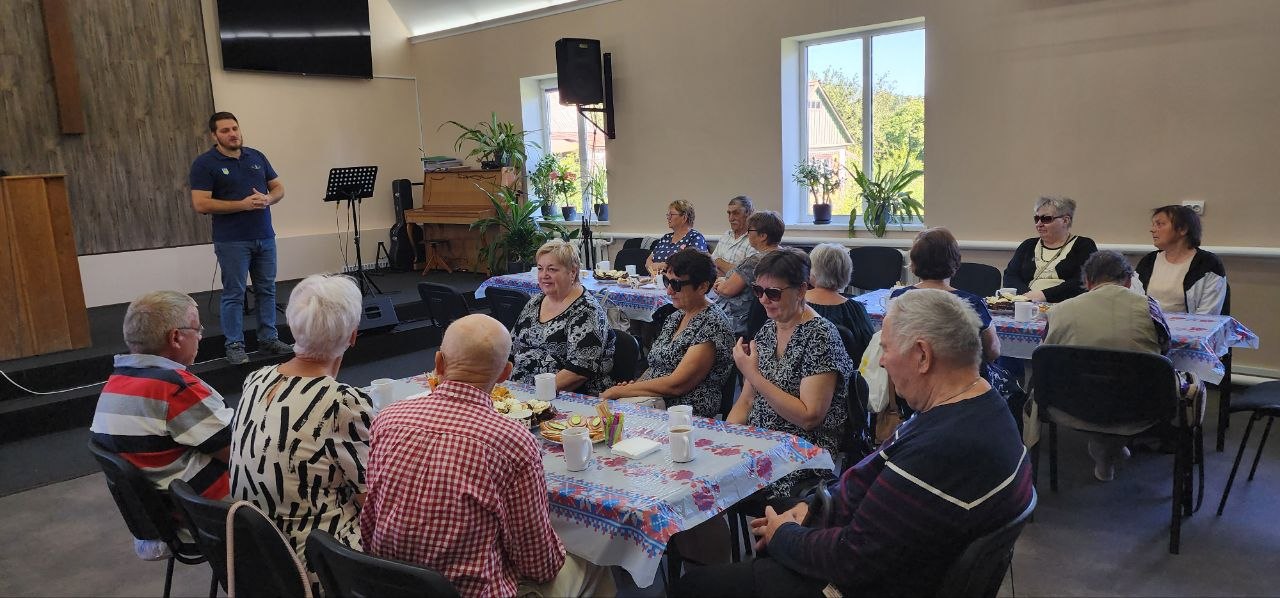
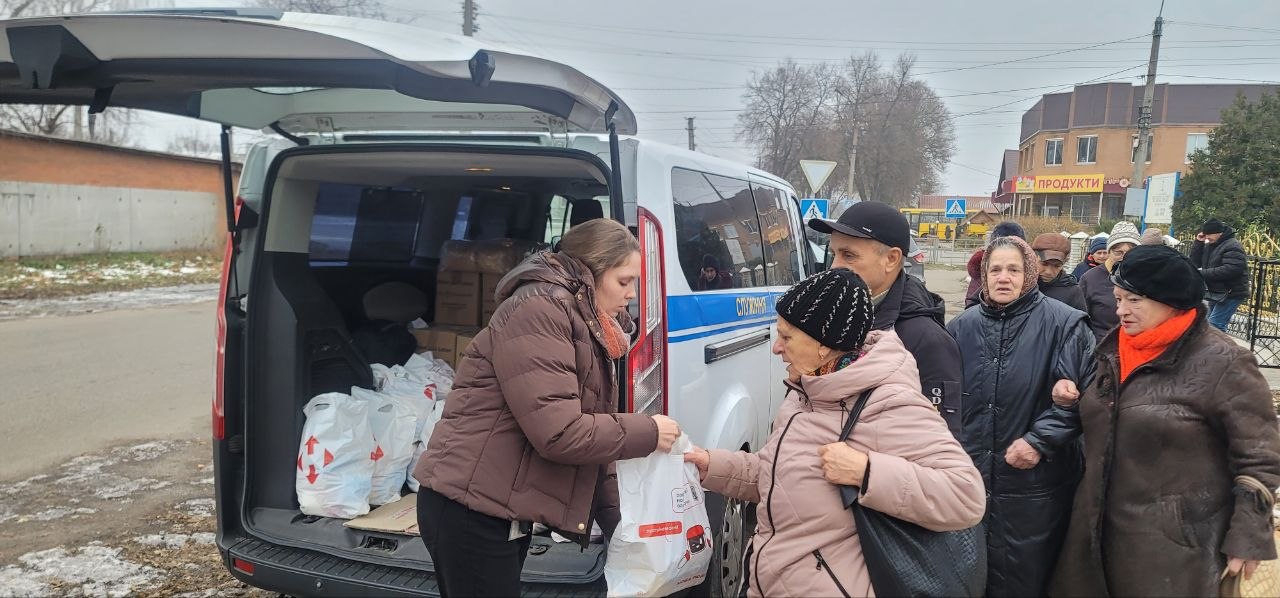
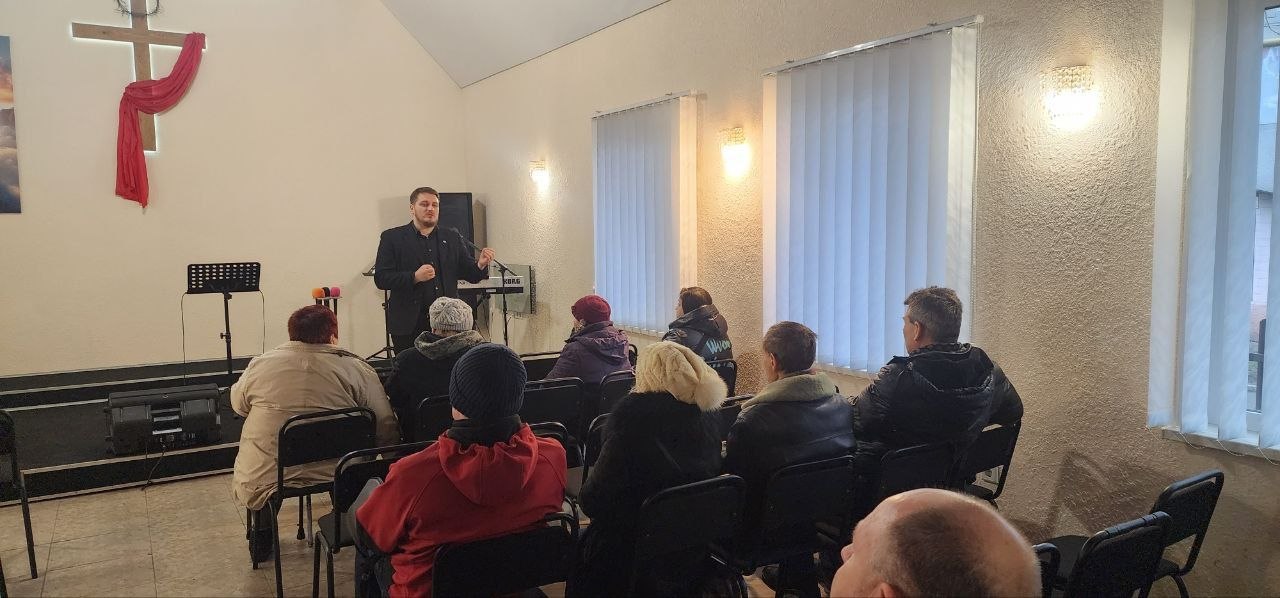
Ruslana: After we moved in 2022, we joined the nationwide mission “Ministry to the Blind,” which has been operating since the late 1990s. Our ministry now covers different regions of Ukraine. We travel to cities where we can serve, visit blind people, and bring food, other aid, and clothing. But our main goal is to create Bible groups for blind people. We do not want to simply arrive, hand something out, and leave. It is important for us to build relationships, to communicate with people regularly, to study the Bible together, and to gradually integrate them into local churches.
Online ministry that has united more than 2,000 blind people
You mentioned that you now have many Bible groups. How do you support them if it is physically impossible to travel to every city all the time?
Volodymyr: After 2022, the need for ministers grew significantly. Many people left their homes, and the number of groups increased. There are now about 90 of them in Ukraine. So online ministry has become an important area. We create groups in Viber or Telegram and hold conference calls. Some groups have later been taken over by local churches. And we are very happy about that, because our goal is not to replace the church but to help it begin to serve. More than 2,000 blind people now regularly join these online groups.
"To see fruit, you have to invest a lot"
How many of the people who come to Bible groups eventually stay in churches?
Volodymyr: Honestly, the percentage is small. There are people who repent, get baptised, and become part of a local church. Such cases are not isolated, but we would like to see more. This is a very long-term ministry. We remember people who at first came only for help, traveled with us to camps, and received food. And a few years later they began to take faith seriously, repented, accepted Christ, and became ministers themselves.
Helping churches and people who have recently lost their sight
Do you train churches in how to interact with blind people properly? How?
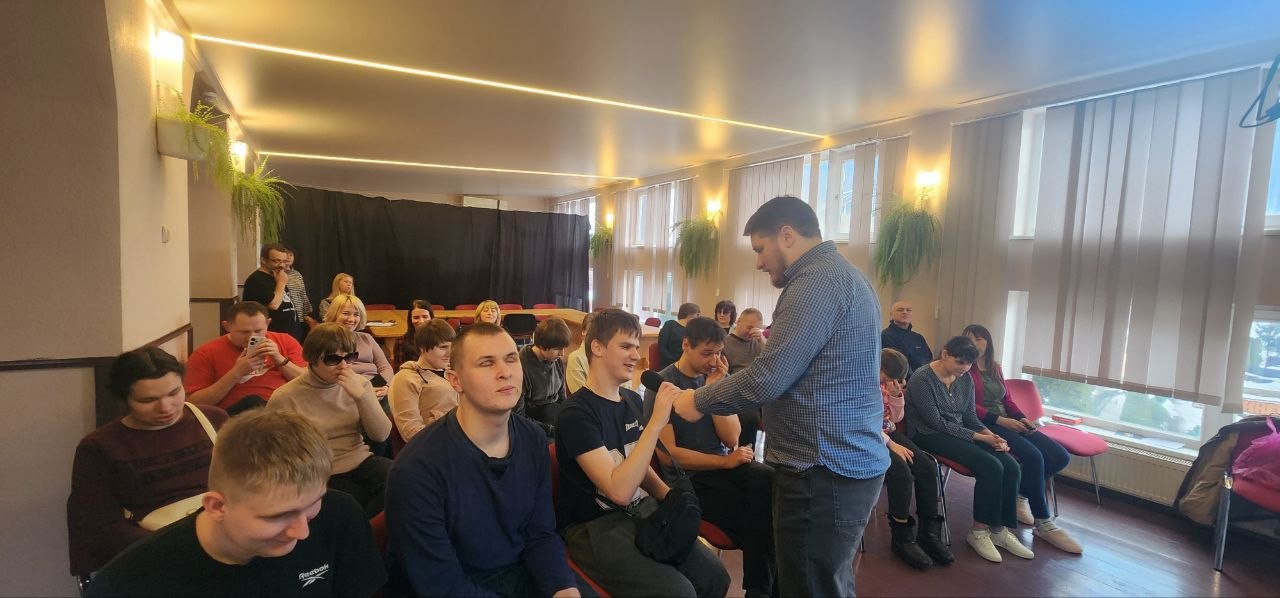
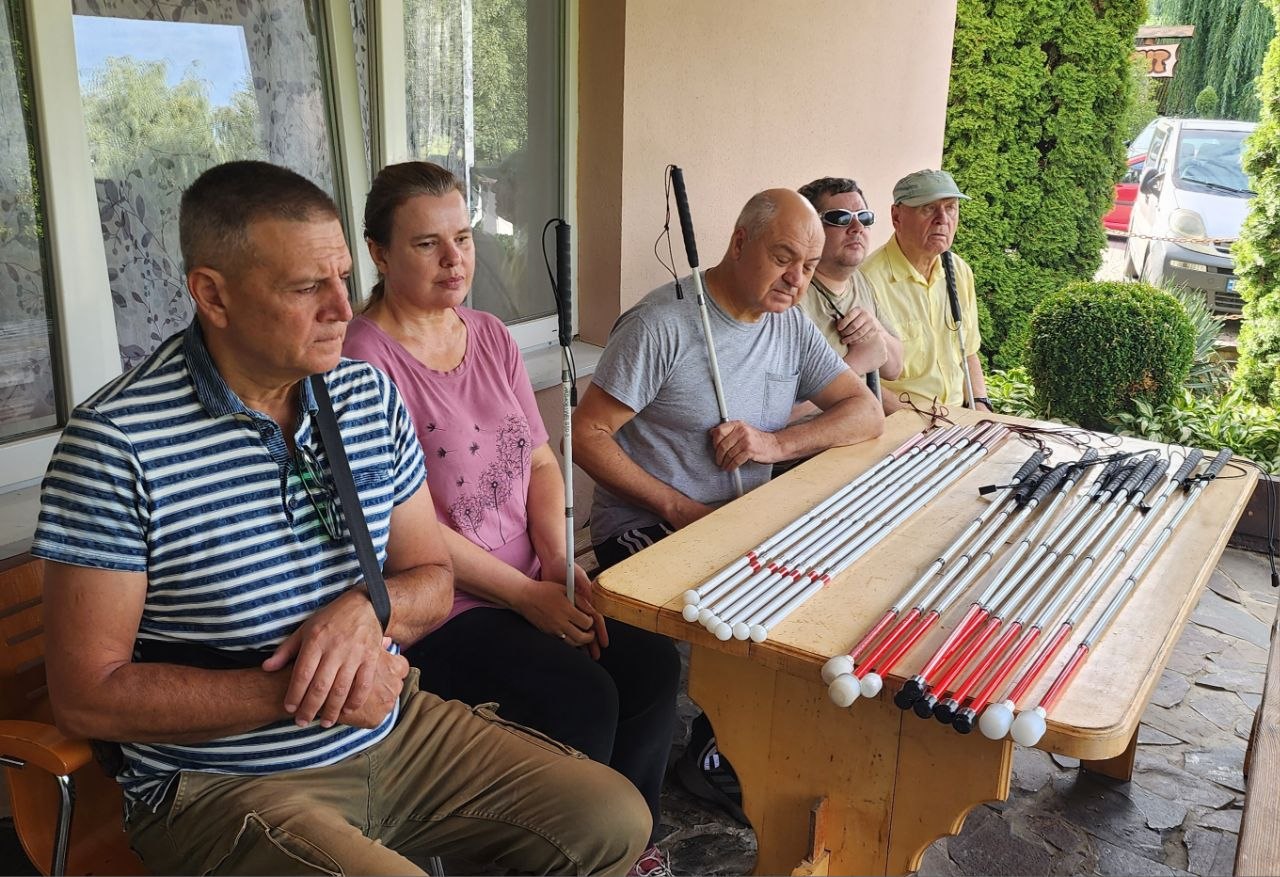
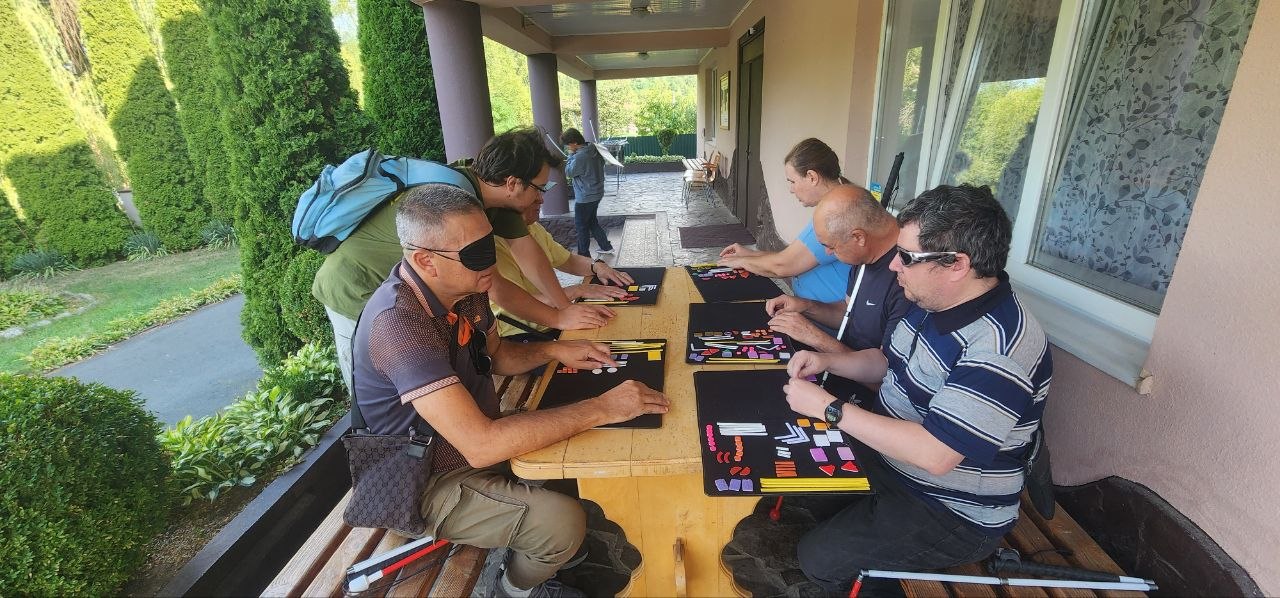
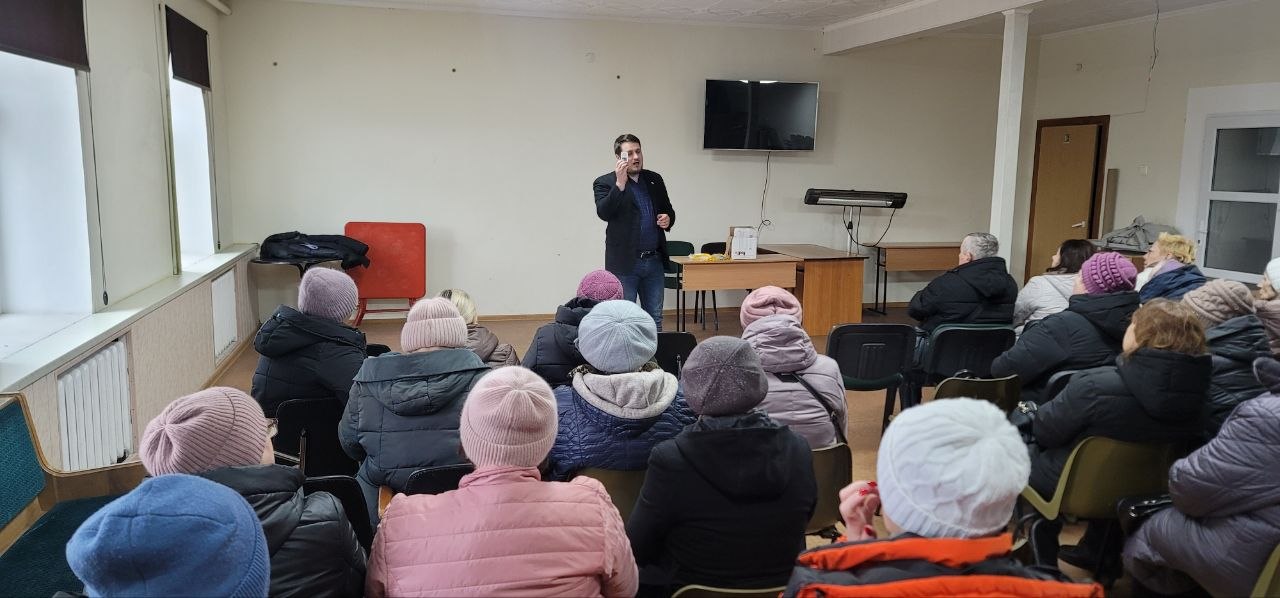
Ruslana: Yes. For churches that already work with us, we hold retreats that combine rest, fellowship, and training. There are seminars on how to accompany a blind person, how to interact with them, how to help properly, and what the etiquette of such communication is. We also hold adaptation projects two or three times a year for people who have recently lost their sight. We teach them independence, socialization, mobility, and orientation with a cane. They also learn about the Bible, the Gospel, Jesus, and the basics of the Christian faith. A center is now being built in Zakarpattia, where we want to hold such projects.
A separate direction: soldiers who have lost their sight
You have also begun working with soldiers who have lost their sight. How did this direction come about?
Volodymyr: The need arose on its own. Soldiers who have lost their sight need basic adaptation to life: learning to use a smartphone, going to a store or pharmacy on their own, getting around with a cane, and communicating with others. We had already held such adaptation events for civilians, so we have experience and can help soldiers. We are gradually developing this direction.
"What we need most is people"
What do you lack most right now for effective ministry?
Volodymyr: There are many material needs: food, transport, premises, funds for trips. But above all, we need people. We go to different regions because there is no one there to serve the blind. We talk with them online every week, but people need to meet in person: to talk, to pray, to be together, and to bring help.
Education as a way to strengthen the ministry
You both study at UETS. Why did you decide to get an education there?
Ruslana: I am now studying in the Practical Psychology program because I see a need for it in the ministry. I realized that I lack the knowledge to help people competently. Working with people who have experienced vision loss is often linked to trauma. So I want to know how to provide quality help. And the seminary offers professional knowledge through the lens of a Christian worldview.
Volodymyr: I had started studying at the seminary some time ago but did not finish. Now I decided to return and see it through. Studying showed me how important maturity is. I compare how I thought then with how I think today, and there is a gulf in between. A sincere desire to serve is not enough. Seminary education has greatly broadened my worldview. In particular, it taught me how to learn: to research, to look for answers, and not to stop at what I already know.
The story of people whom the ministry has changed
Can you share the story of a person your ministry has particularly impacted?
Volodymyr: There are many such people. But one family comes to mind in particular: Yulia and Vitalik from the Poltava region. Both are blind. We met them back in Mariupol, when we were holding camps for blind people. We met again in 2022. They were already ready to talk about faith more seriously at that time. Eventually both of them consciously repented and got baptized. Today Vitalik is one of my assistants. He takes part in leading Bible groups, preaches, and prepares sermons. His wife helps with the administrative side: she calls people, forms groups, and works with lists. And it is very rewarding to watch people whom you once simply met at a camp become ministers themselves a few years later.
"Do not be afraid of the blind"
What would you like to say to the people who read this story?
Volodymyr: Do not be afraid of the blind. They are people just like everyone else. Blind people can be educated, active, and independent. They work, study, cook, and use computers and phones. We have a young man who taught himself to be a programmer and created a Bible app for the blind. So there is no need to see a blind person as helpless.
Do not be afraid to approach. Do not be afraid to start a conversation. Just be there.