


An interview with a third-year theology student at the Ukrainian Evangelical Theological Seminary (UETS), pastor of the Resurrection and Life Church (Stryi, Lviv Oblast). Together with his wife, he has led the non-governmental organization GoFriends for nine years, teaching young people IT and digital professions. In 2022, they opened a shelter for displaced people, and many of those who found help there became part of the church. Yevhen spoke with us about his journey to faith, his ministry and his studies at the seminary.
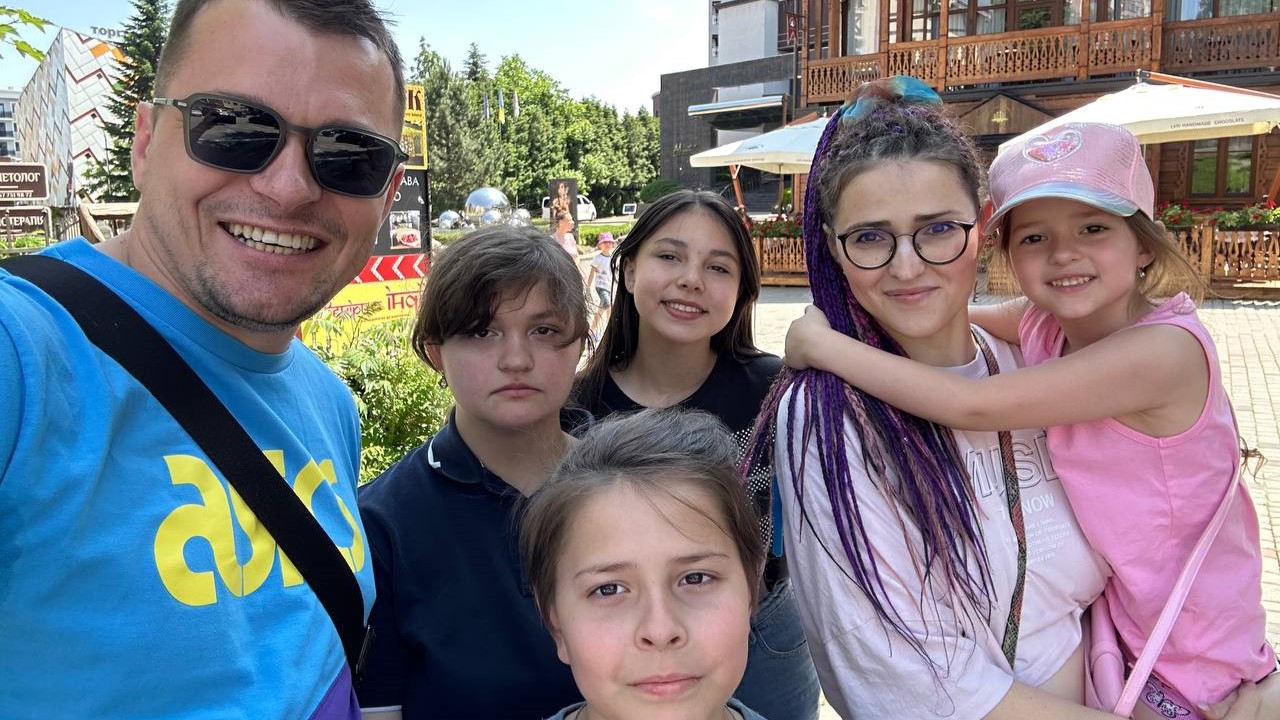
My name is Yevhen Moiseiev, and I am 40 years old. I am a father of four: three daughters and a son, two of whom are foster children. I currently serve as a pastor in the city of Stryi in the Lviv region, and I am a third-year theology student at the Ukrainian Evangelical Theological Seminary. The church I serve is called Resurrection and Life.
How did your story with God begin?
I am an orphan. At the age of five, I entered the boarding school system. I spent about a year and a half in an infant home, followed by eight years in a boarding school for orphans in Mariupol. It was there that Christians first came and brought the Gospel. I even went to a Christian camp and was drawn to those gatherings, but there was no stability: the orphanage had a strong influence on me.
I started using drugs very early. My whole family had been through prison: my mother, my father, my grandfather and my brother. Eventually so did I. My father and brother pulled me onto the path of crime and I thought that’s how I would live my whole life.
However, at some point my problems with the police, criminals and drugs became too serious, so I ran away to Kyiv to find work.
There was a man at the job that I found in Kyiv who was the only one of us who did not drink alcohol and who would go away somewhere, while the rest of us used drugs and drank alcohol. He once told me that he attended church. I asked what they did there, and he said, “Come along and see.”
At those first church gatherings, I encountered God again. I was given passages from the Bible to read, and I read that Jesus died for my sins. I knelt down and repented. It touched my heart. At first, I went to church three times a week, then five or six.
The Christians began to welcome me and care for me, and that man taught me how to believe and pray. Never in my life had I known the kind of love those people showed me, and I decided I wanted to stay with them.
Yet, I still had many flaws and I turned away from God five times, went back to using drugs and returned to a life of crime. Four times I went through rehabilitation centers for drug addicts. Some Christians gave up on me. They said no one could help me anymore, because I was choosing this path myself. But there were others who kept believing in me, accepting me, reaching out a helping hand, and praying for me. Among them were my wife and a man I call Brother Oleksandr. This broke down my defenses, and I surrendered. That was the unconditional love of God and of the people He sent into my path. In the end, I chose to follow Christ.
How did your life change?
I was very lonely, and one of my greatest dreams was to have a family. And God gave me a wife, and then children. God also told me, “Your children will not go to prison.” Now I have a large family, and I am not alone.
I also discovered that God gave me gifts and abilities for business. For 14 years now I have been the owner and CEO of a software company. For me, this has been a miracle. My wife runs a marketing company, I teach marketing, and we provide promotion services.
A few years ago, God gave us the opportunity to purchase 25 hectares of land in Morshyn. Over four years, we built a hotel for 100 guests and a recreation complex with cottages. Now we host children’s camps there, most of them Christian.
Tell us about your ministry to young people.
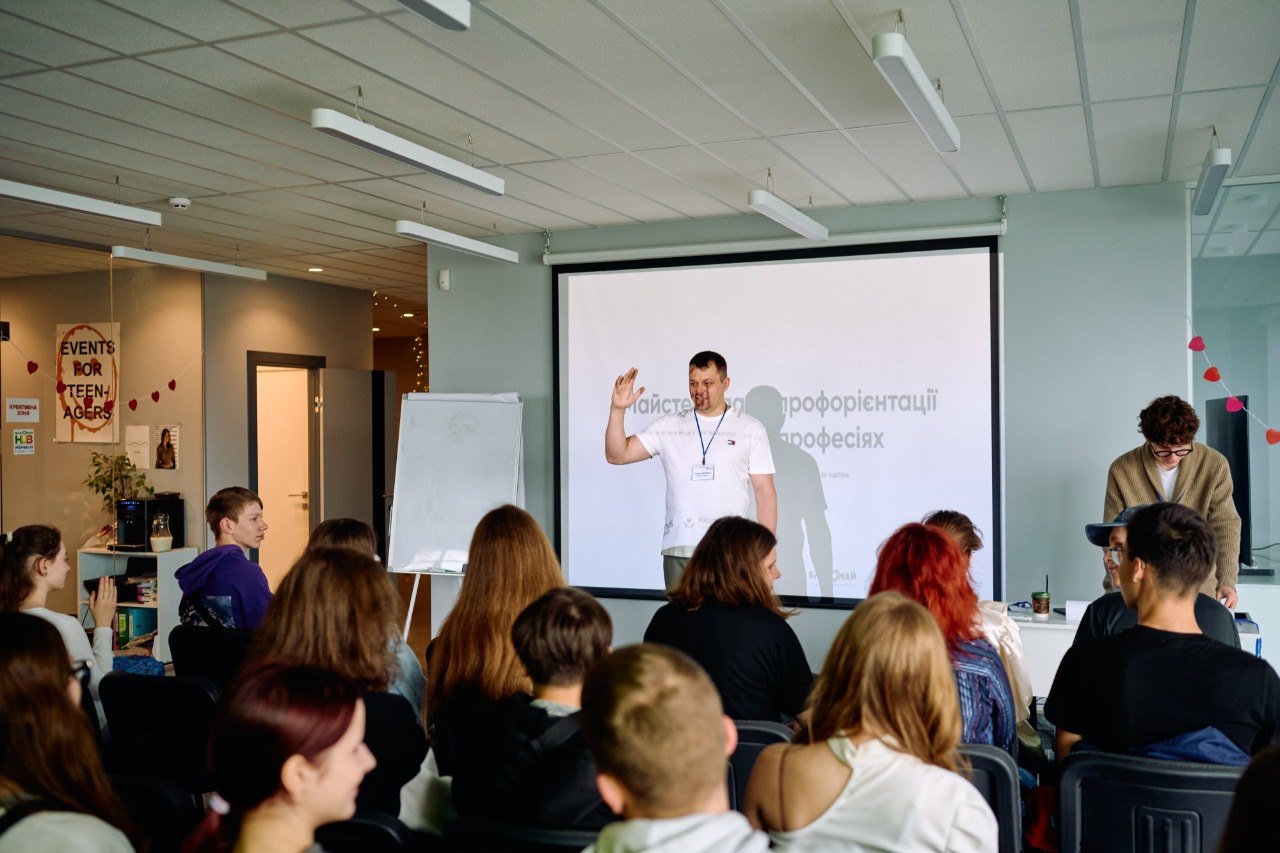
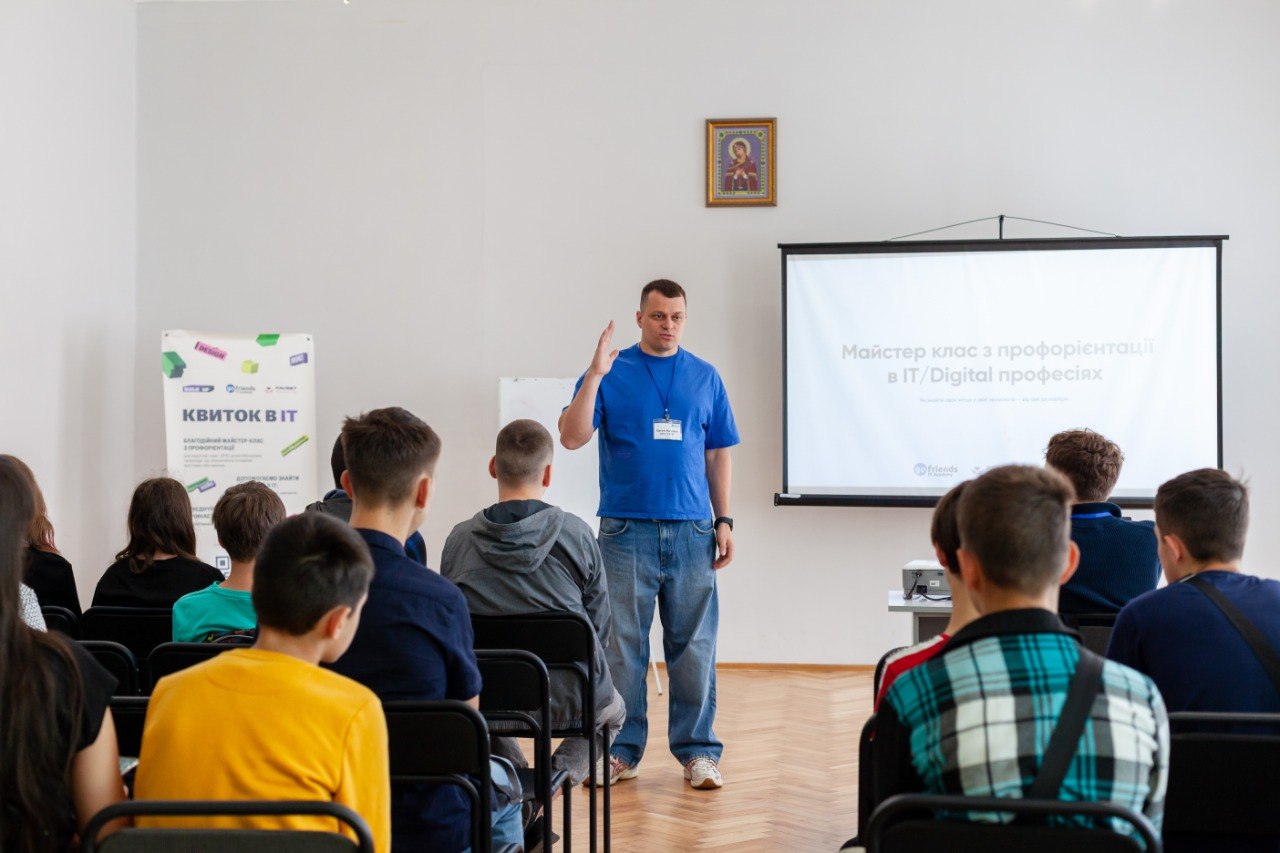
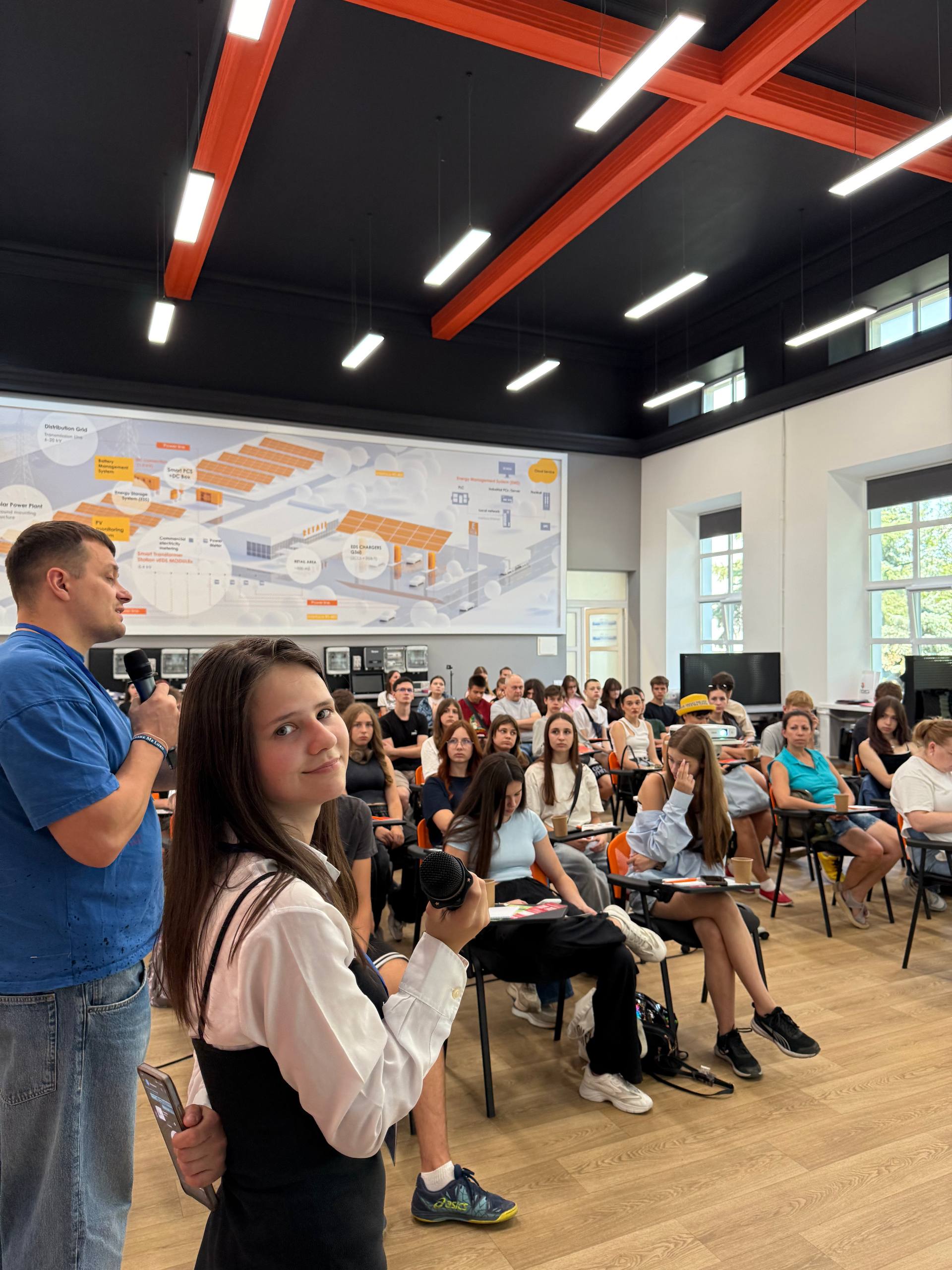
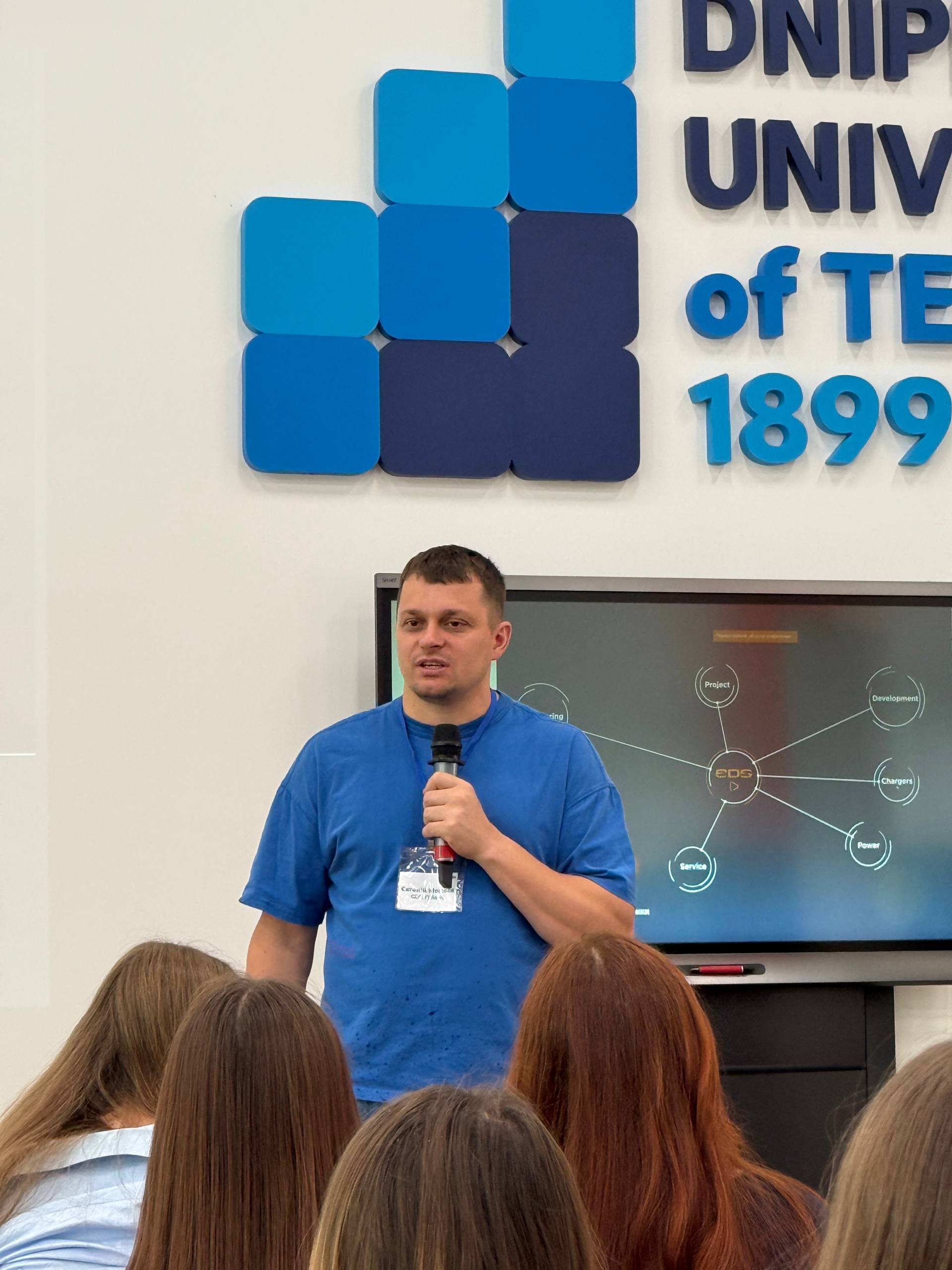
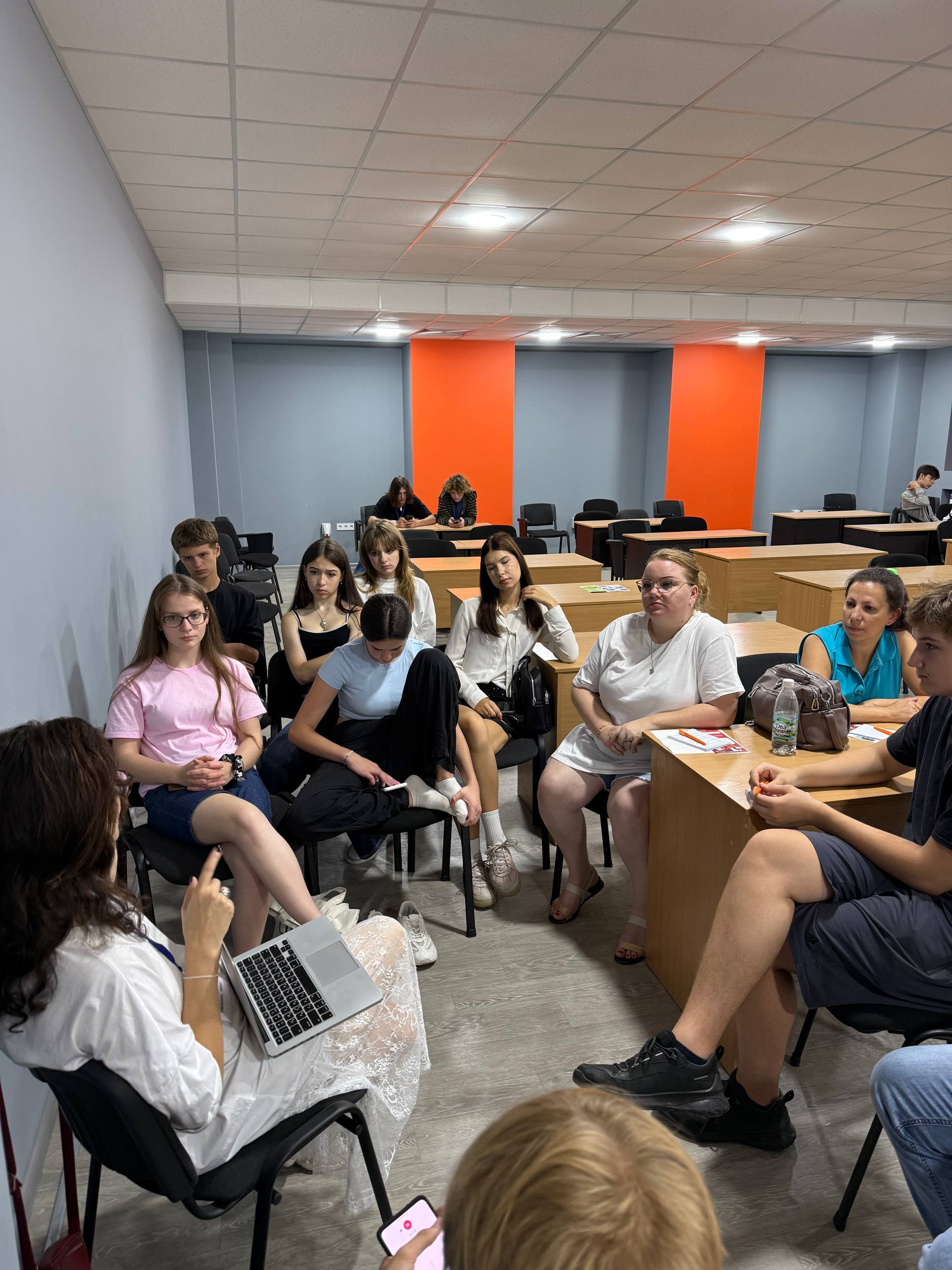
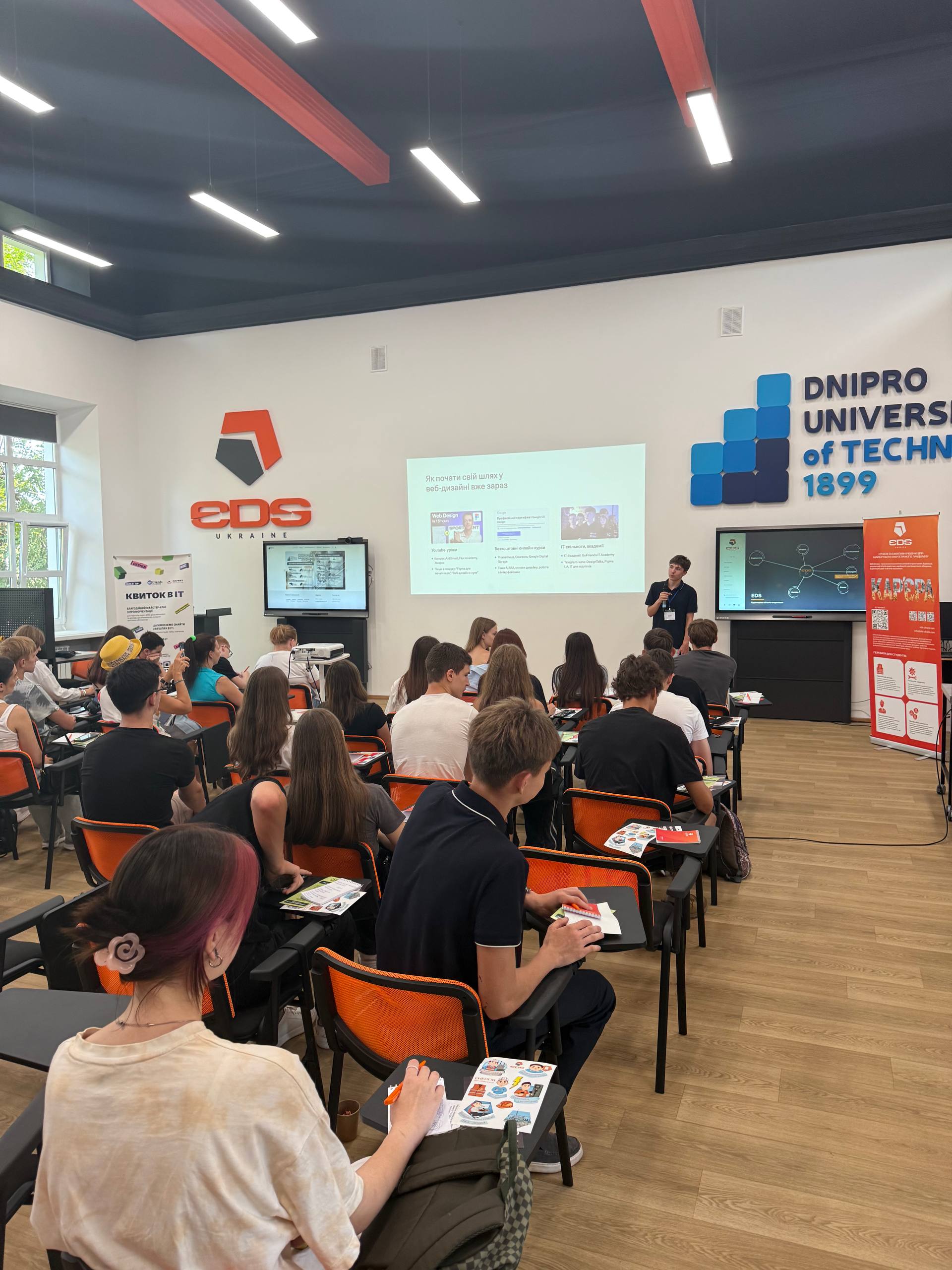
Together with my wife, I have led the non-governmental organization GoFriends for nine years. We teach young people IT and digital professions: marketing, web design, programming, artificial intelligence, recruiting, and project management.
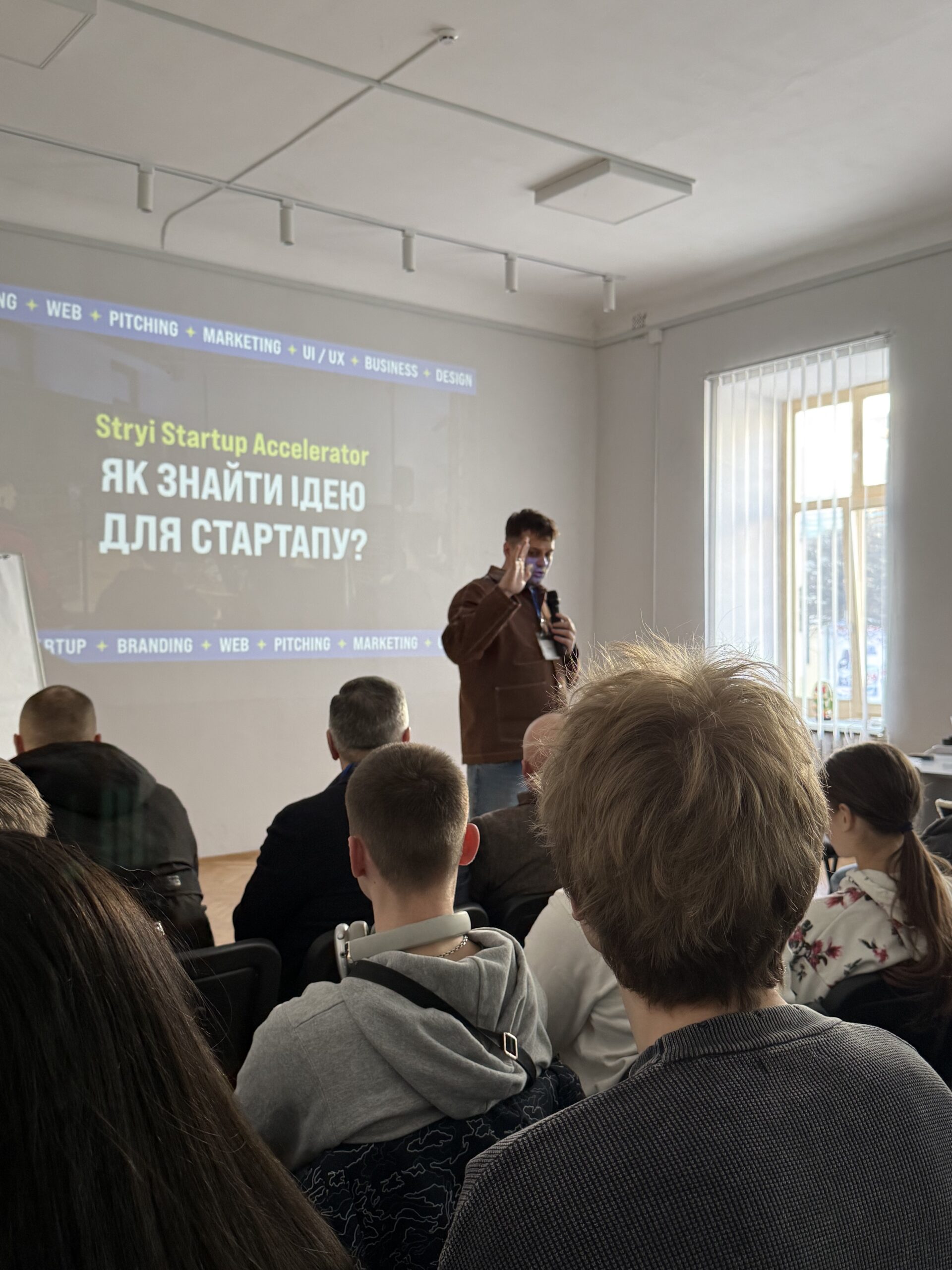
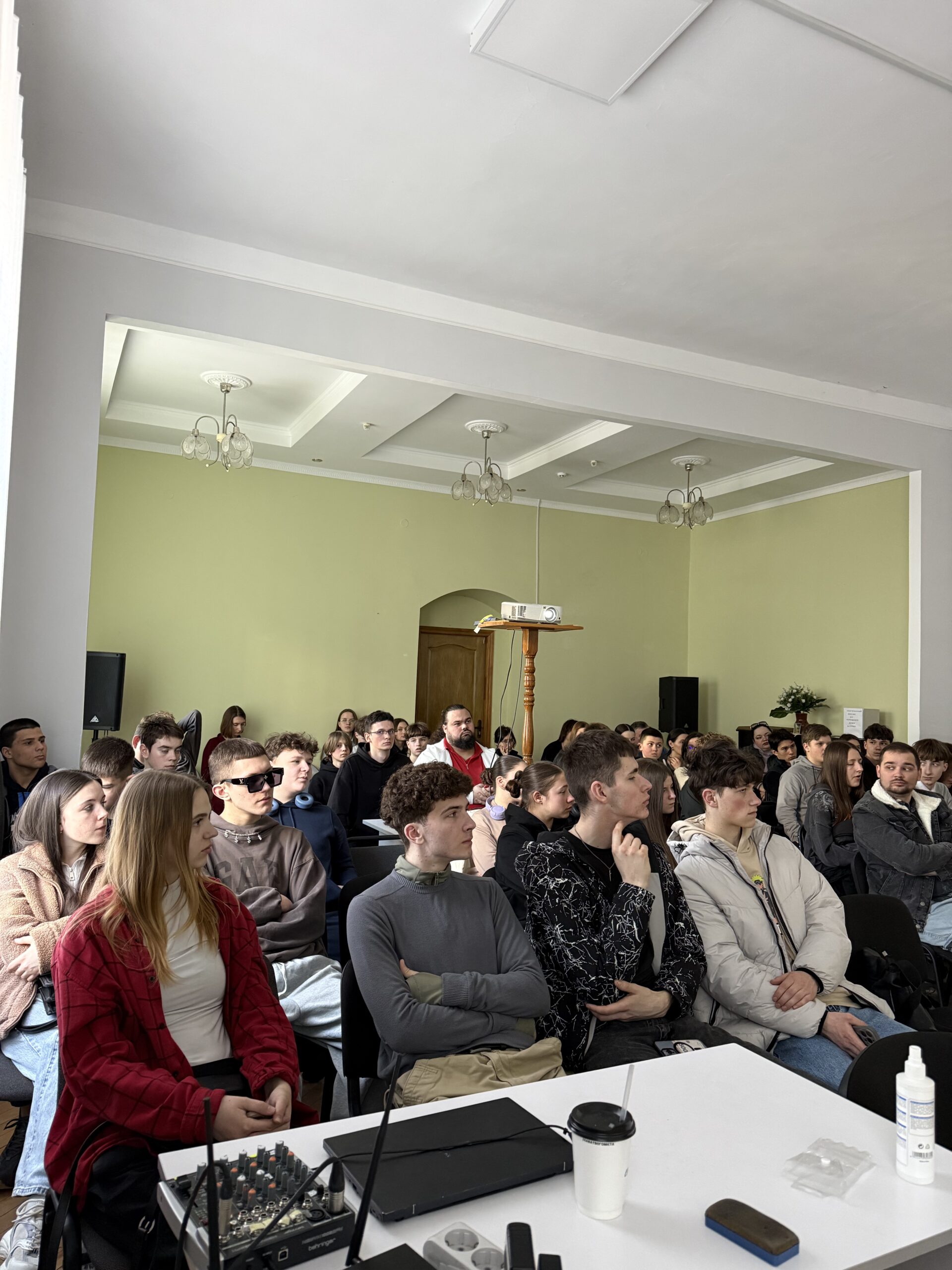
Our work has three directions. The first is career-guidance workshops. We travel to churches and invite the city’s young people to join free of charge, choose children from socially vulnerable categories, and help them earn their first money. We believe in doing good to everyone, not only to our own. The second direction is 10-day startup accelerators, where teenagers and young adults create a project from scratch in ten days, package it, promote it and win their first customers. The third one is inviting young people to live with us. Before the war, 17 young people lived with us, mostly orphans. We provided them with housing, meals and education, and helped them find employment.
Tell us more about your church.
Before the war, I was a youth pastor in Kyiv, in a church called Resurrection and Life. The young people who came to study with us attended a local church, studied the Bible together and went to youth and church gatherings. In Kyiv, 30 to 35 people could study with us at a time, and they made up part of our church.
It is the same today. We live together, work together, study together and go to church together. For the most part, our church is our students.
In 2022, when we evacuated from Kyiv to Stryi, we opened a shelter for displaced people. In the first year and a half, we helped evacuate and received 2,500 people, and 200 people (about 70 families) were fully provided for by us, first in Stryi and then in Morshyn. We provided food for them, gave them humanitarian aid and provided training as well. For a year, we served lunch to 500 people every day in Stryi, and we also gave people work on a farm. Many of them began attending our church and became part of it.
Today, as a church, we continue this social project. In the spring, for example, we visit schools and colleges to offer career guidance: we teach marketing, IT and digital professions, then invite young people to create startups, and then welcome them into home groups and the church. This is our ministry: doing good for the city. So we are essentially a youth church and a church of displaced people, and we serve them through IT startups.
Why did you decide to study at the seminary?
I had wanted to study theology for a long time. My senior pastor also received theological education, but at a different seminary. I was already familiar with this seminary: for several years we held camps for orphans here, and some of my acquaintances were students. Still, the studies exceeded my expectations.
As an entrepreneur, I sometimes say, “I work as a pastor.” But I love learning, and I understand that I need skills and knowledge for the ministry God has entrusted to me. I was impressed by the high level of teaching: the depth, the empathy, the communication. I especially enjoy how Dr. Radyslav Tatsiun teaches, with his approach and depth. Dr. Fedir Raichynets teaches powerfully, as do Serhii Fliuhrant, Yulia Patiuk and many other instructors. When I was young, I used to joke that I had no education. Now I am very happy to be receiving a theological education, and I feel how it strengthens me as a minister and as a spiritual person.
What part of your studies has most influenced your ministry?
First of all, homiletics: the way Serhii Fliuhrant taught the approach to preaching, building its structure and preparing it. Second, hermeneutics, which teaches us to take into account the historical, cultural and other contexts that the author had in mind.
Third, Christian leadership with Dr. Fedir Raychynets. It offers such a different view of leadership: a leader can be vulnerable and have weaknesses, and that is fine.
Would you like to add anything?
Yes. I am very happy that my foster daughter Hanna has also enrolled in the seminary as a first-year student. She arrives on Monday for her first session. I have another daughter, and I would like her to enroll as well.